Introduction to Vegetable Casserole
Are you looking for a hearty yet healthy meal option that’s easy to prepare? Enter the vegetable casserole — a satisfying dish that brings together vibrant veggies in a symphony of flavors. It’s not just for potlucks or family gatherings; this versatile casserole can be a delightful addition to your regular dinner lineup or a make-ahead meal for busy weekdays.
Why Choose a Homemade Vegetable Casserole?
There are countless reasons to whip up a homemade vegetable casserole. Firstly, it’s an excellent way to utilize seasonal produce and reduce food waste. Fresh vegetables like bell peppers, zucchini, and spinach not only provide essential nutrients but also add color and texture to your dish. Additionally, by making it yourself, you can customize the flavors to your liking—feel free to add your favorite herbs and spices or mix in some Turkey Bacon or Chicken Ham for added protein.
Homemade casseroles also allow you to control what goes into your food. According to the USDA, homemade meals generally contain fewer preservatives and unhealthy additives than store-bought alternatives. Plus, there’s something incredibly rewarding about creating a comforting dish from scratch. You can even make a large batch and freeze portions, making weeknight dinners a breeze!
You might be wondering about cooking time. While most casseroles require a bit of baking, the preparation is often quick and straightforward. All you need is a good assortment of vegetables, some grains like quinoa or rice, a dash of seasoning, and a bit of cheese for that melty top. In fact, you could even involve your partner or a friend in the cooking process—cooking is always more fun with company!
If you’re curious about different versions of vegetable casseroles, there are numerous variations to explore. Take a look at this recipe from Epicurious for inspiration or to spark your creativity. From Mediterranean-style to creamy and cheesy options, the sky’s the limit!
So grab your knife, chop up those veggies, and let’s dive into making a delicious vegetable casserole that will warm your heart and fill your belly.

Ingredients for Vegetable Casserole
Creating a hearty vegetable casserole doesn’t have to be a chore. With just a few simple, nourishing ingredients, you can whip up a dish that’s not only delicious but also packed with nutrients. Here’s what you’ll need:
Key Vegetables
- Carrots: For that sweet crunch and vibrant color.
- Broccoli: A nutrient powerhouse to bring flavor and texture.
- Spinach: Fresh spinach adds a lovely earthiness.
- Bell Peppers: Choose a mix of colors for visual appeal and flavor.
Protein Boosters
- Turkey Bacon: This lean meat adds a savory twist without overwhelming the dish.
- Chicken Ham: A lighter alternative that complements the vegetables beautifully.
Creamy Base
- Cream of Mushroom Soup: Opt for a low-fat version to keep it healthy.
- Sour Cream or Greek Yogurt: For creaminess, consider using Greek yogurt for added protein.
Flavor Enhancers
- Garlic and Onions: Nothing beats the aroma of sautéed garlic and onions to elevate your casserole.
- Cheese of Choice: A sprinkle of cheese on top can make all the difference!
Feel free to explore additional ingredients that suit your taste or dietary needs. You might want to check out this nutrition guide for more insights on incorporating vegetables into your meals. Happy cooking!
Preparing Vegetable Casserole
Cooking is not just a chore; it’s a joyful experience that brings people together. Today, we’re diving into the details of preparing a delicious vegetable casserole. Whether you’re a seasoned cook or a novice in the kitchen, this step-by-step guide will help you create a comforting dish that’s perfect for any occasion.
Gather and Prepare Your Ingredients
Before we dive into cooking, let’s set up your workspace. This part is crucial because having everything ready can make the cooking process smoother and more enjoyable. Here’s what you’ll need:
- Vegetables: Think broccoli, bell peppers, carrots, and zucchini. Fresh or frozen veggies work fine; just make sure to chop them into bite-sized pieces.
- Grains: Cooked rice or quinoa serves as a hearty base for your casserole.
- Creamy Base: Mix sour cream, cream of mushroom soup, or a plant-based substitute for those who prefer vegan options.
- Seasonings: Gather salt, pepper, garlic powder, and any herbs you particularly enjoy, like thyme or basil.
- Extras: For added flavor, consider some turkey bacon or chicken ham.
Take a moment to wash and chop your veggies. Prepping them properly can greatly enhance the flavors in your vegetable casserole. For a great guide on knife skills, check out this resource.
Sauté the Onions
Now that your ingredients are prepped, it’s time to start cooking. Heat a splash of olive oil in a skillet over medium heat. Add your chopped onions and sauté them until they’re soft and translucent, about 5 to 7 minutes. This step not only enhances the flavor of the onions but also lays a solid groundwork for the overall taste of your casserole.
Consider adding minced garlic in the last minute of sautéing for an aromatic touch. The connection between cooking and flavor is profound, and this simple technique can elevate your dish significantly. According to cooking experts at Cook’s Illustrated, properly sautéed onions should be a staple in a good casserole.
Mix the Creamy Base
Once your onions are fragrant and beautifully caramelized, it’s time to create the creamy base. In a mixing bowl, combine:
- 1 cup of sour cream
- 1 can of cream of mushroom soup
- A pinch of garlic powder
- Salt and pepper to taste
Mix until smooth. This creamy mixture will bind all your ingredients and keep them moist as they bake. If you’re feeling adventurous, toss in some shredded cheese for extra richness! A generous amount of cheese can turn your vegetable casserole into something extra comforting.
Combine the Vegetables and Rice
In a large mixing bowl, combine your sautéed onions, chopped vegetables, and cooked rice. Pour the creamy base over this mixture and stir gently until everything is evenly combined. Here’s a chance to get creative—add your favorite spices or alternative proteins like turkey bacon or chicken ham to pack more flavor and protein into your dish.
Transfer to the Casserole Dish and Bake
Preheat your oven to 350°F (175°C). Transfer your mixture into a greased casserole dish, spreading it evenly with a spatula. If you’re a fan of crispy top layers, sprinkle some breadcrumbs or cheese on top before sliding it into the oven. Bake for about 25-30 minutes or until the top is golden and bubbly. The aroma wafting through your home will keep everyone eagerly waiting for dinner.
And there you have it! Your vegetable casserole is not only a reflection of your culinary skills but also a hearty meal that can satisfy everyone at the table. So, why not gather some friends or family and enjoy every bite together? Cooking is ultimately about connection, and what better way to do that than over a warm, comforting dish?
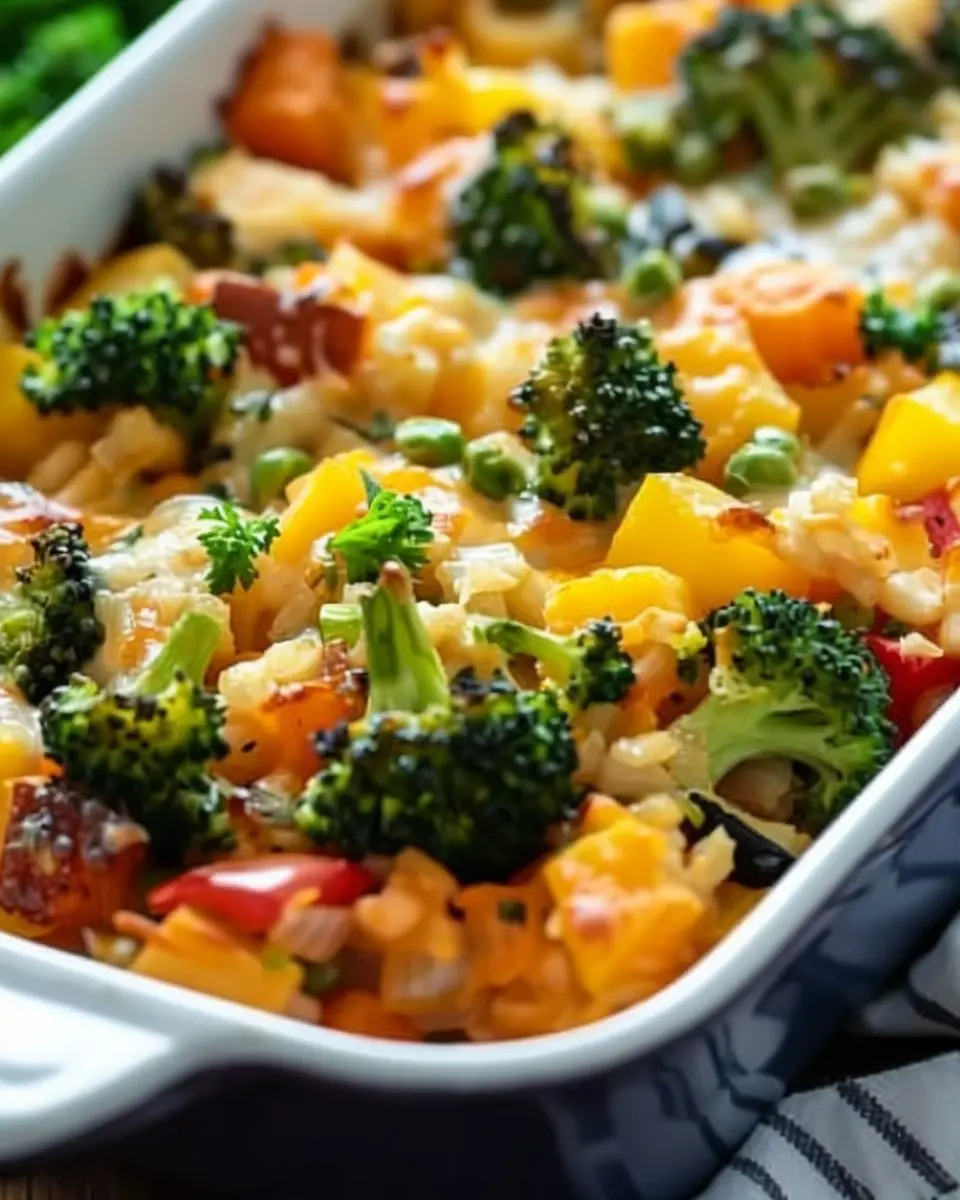
Variations on Vegetable Casserole
When it comes to vegetable casserole, the possibilities are endless! This dish not only nurtures creativity in the kitchen but also allows you to accommodate different tastes and dietary preferences. Here are two delicious variations that might inspire your next cooking adventure.
Cheesy Vegetable Casserole with Different Cheeses
Let’s face it—who can resist a cheesy, gooey casserole? For a rich, savory twist, experiment with a blend of cheeses. Try a combination of sharp cheddar, creamy mozzarella, and tangy feta. Here’s how to amp it up:
- Layer Different Cheeses: Start with a base of vegetables like broccoli, bell peppers, and carrots. Sprinkle a generous layer of cheddar, then add mozzarella for that melty texture. Crumble feta on top for a burst of flavor.
- Add Creamy Elements: Consider incorporating ricotta or cream cheese into the mix for extra creaminess.
This cheesy twist not only elevates the flavor but also makes the casserole incredibly comforting, perfect for cozy evenings at home. Try pairing it with a fresh salad or a crusty loaf of bread for a complete meal.
Spicy Vegetable Casserole with Added Heat
If you’re looking to spice things up, this variation will ignite your taste buds! Think of adding heat with paprika, jalapeños, or even a sprinkle of red pepper flakes. Here are some great tips:
- Incorporate Heat: Sauté onions and garlic with your choice of chili peppers before mixing in your vegetables. This will create a flavor base that packs a punch.
- Experiment with Sauces: A drizzle of sriracha or a splash of your favorite hot sauce can take a standard vegetable casserole from mild to wild.
This zesty version is guaranteed to impress anyone who loves a bit of kick in their dish. Serve alongside a cooling yogurt or sour cream dip to balance the heat.
These variations allow you to customize your vegetable casserole to suit your mood and preferences. Feel free to explore further with ingredients you love! For more inspiration, check out the benefits of cooking with seasonal vegetables or popular cheese combinations. Happy cooking!
Cooking Tips and Notes for Your Vegetable Casserole
Creating a delicious vegetable casserole can be incredibly rewarding! Here are a few tips to get you started and ensure your dish turns out perfectly.
Veggie Choices Matter
- Fresh or Frozen? Fresh vegetables often bring better texture and flavor, but frozen options can save time. Just make sure to thaw and drain them well!
- Seasonal Selection: Try using seasonal produce for the best taste and nutrition. Not sure what’s in season? Check out localharvest.org for info on fresh veggies near you.
Build Layers of Flavor
- Herbs and Spices: Don’t skimp on seasoning! Fresh herbs like basil or thyme and spices like garlic powder or smoked paprika can elevate your casserole significantly. Feel free to experiment.
- Healthy Swaps: Substitute regular sour cream with Greek yogurt for a creamy texture that’s rich in protein.
Baking Tips
- Even Cooking: Make sure your veggies are uniformly chopped to ensure they cook evenly. No one wants a crunchy carrot next to a perfectly soft zucchini!
- Covering the Dish: Consider covering your vegetable casserole with foil for the first half of baking to keep moisture in, removing it later for a beautiful golden top.
Finally, remember that cooking is all about enjoying the process. So have fun and feel free to make it your own! Want more recipes? Visit epicurious.com for inspiration and ideas. Happy cooking!

Serving Suggestions for Vegetable Casserole
When it comes to enjoying your vegetable casserole, the serving possibilities are as delightful as the dish itself. Here are some tasty ways to elevate your meal:
Pair with Grains
Serve your vegetable casserole alongside a fluffy bed of quinoa or brown rice. These grains not only complement the casserole’s flavors, but they also add an extra nutritional punch. If you’re in the mood for something light, consider a side of whole-grain bread for soaking up those delicious juices.
Enhance with Protein
To make your meal even heartier, add a source of lean protein. Turkey bacon or chicken ham can provide that savory touch without overpowering the veggies. For a vegetarian option, consider topping the casserole with crumbled feta or a sprinkle of nutritional yeast for an umami kick.
Fresh Salads
A crisp, green salad works wonders as a refreshing counterpart to the vegetable casserole. A simple arugula salad dressed with a lemon vinaigrette can balance the dish’s richness beautifully.
To give your taste buds a delightful experience, don’t hesitate to explore different herbs and spices as toppings. You can easily find more inspiration for salad pairings and side dishes at Food Network or BBC Good Food. Enjoy your meal!
Time Breakdown for Vegetable Casserole
When diving into the delicious world of a vegetable casserole, it helps to know how much time to set aside for the entire experience. Here’s a quick breakdown:
Preparation Time
You’ll want to dedicate about 20 minutes to prep. This includes chopping your favorite veggies—think bell peppers, zucchini, and spinach—plus mixing ingredients together. It’s a great time to have a podcast or your favorite tunes playing in the background!
Cooking Time
Once everything is prepped, pop the casserole in the oven for 45 minutes. This cooking time ensures your dish comes out bubbling and golden, perfectly cooked but still keeping that fresh veggie crunch.
Total Time
In total, you’re looking at around 1 hour and 5 minutes for the entire process. It’s a small investment for a hearty, comforting meal that can feed a crowd or provide tasty leftovers for a busy week.
Feel free to explore more on the benefits of cooking with fresh vegetables at Healthline for added inspiration!
Nutritional facts for Vegetable Casserole
When it comes to enjoying a hearty and wholesome meal like a vegetable casserole, it’s always good to know what you’re putting on your plate. Here are some nutritional facts to keep in mind:
Calories
A typical serving of vegetable casserole packs about 250 calories. It’s an excellent balance of flavor and nutrition, making it a perfect choice for a fulfilling meal.
Protein
You can find around 10 grams of protein in each serving, thanks to the diverse mix of vegetables along with additions like turkey bacon or chicken ham. This protein boost can help keep you satisfied throughout the day.
Sodium
When considering sodium content, a serving contains roughly 400 mg. If you’re watching your sodium intake, consider using low-sodium alternatives when preparing your casserole.
By focusing on wholesome ingredients, a vegetable casserole can be a well-rounded dish that doesn’t compromise on taste. For more detailed insights, check out resources from the American Heart Association or the USDA Food Composition Database. They provide an in-depth look at the nutritional values of different ingredients that can help you make informed meal choices!
FAQs about Vegetable Casserole
Can I use fresh vegetables instead of frozen?
Absolutely! Using fresh vegetables in your vegetable casserole can elevate the flavors and nutritional value. Fresh veggies like zucchini, bell peppers, and spinach are fantastic choices. Keep in mind, however, that fresh vegetables may require slightly longer cooking times, so you might need to adjust your baking process. Additionally, consider adding a pinch of salt to help draw out moisture from the fresh produce.
What can I substitute for the cream of mushroom soup?
If you’re looking for alternatives to cream of mushroom soup for your vegetable casserole, there are several creamy options you can try:
- Cream of celery soup: Offers a similar texture with a slightly different flavor profile.
- Homemade béchamel sauce: Made from butter, flour, and milk, this is a great option if you want to control the ingredients.
- Greek yogurt: For a healthier twist, you can blend Greek yogurt with some vegetable broth to achieve a similar creaminess.
- Plant-based cream: If you’re keeping it dairy-free, look for store-bought plant-based cream alternatives.
How do I store leftover vegetable casserole?
Storing your leftover vegetable casserole is simple! Place it in an airtight container and refrigerate. It should last about 3 to 5 days. For longer storage, consider freezing it. Just ensure it’s properly sealed in a freezer-safe dish. When you’re ready to enjoy it again, simply thaw overnight in the fridge and reheat in the oven or microwave until warm.
Whether you’re looking for quick meals during a busy week or hearty comfort food, this vegetable casserole ticks all the boxes. If you’re keen on more tips and inspiration, consider checking out EatingWell’s article on meal prepping for managing your weekly meals effortlessly.
Conclusion on Vegetable Casserole
In wrapping up our exploration of vegetable casserole, it’s clear that this dish is not just a meal but a canvas for creativity in the kitchen. Easy to prepare and highly customizable, it allows you to embrace seasonal produce and flavor profiles that suit your palate.
Whether you’re enjoying a comforting weeknight dinner or impressing friends at a gathering, a well-crafted vegetable casserole can enhance your culinary repertoire. Don’t hesitate to experiment with various ingredients like Turkey Bacon or Chicken Ham, and let your creativity shine. For more delicious recipes and ideas on using fresh vegetables, check out Nutritional Eating or Seasonal Cooking. Happy cooking!
PrintVegetable Casserole: Easy Comfort with Turkey Bacon and Chicken Ham

A delicious and comforting Vegetable Casserole featuring turkey bacon and chicken ham for a nutritious twist.
- Prep Time: 15 minutes
- Cook Time: 35 minutes
- Total Time: 50 minutes
- Yield: 4 servings 1x
- Category: Casserole
- Method: Baking
- Cuisine: American
- Diet: Gluten-Free
Ingredients
- 2 cups mixed vegetables (carrots, peas, corn)
- 1 cup turkey bacon, chopped
- 1 cup chicken ham, diced
- 1 cup shredded cheese (your choice)
- 1/2 cup cream of mushroom soup
- 1/2 cup milk
- 1 teaspoon garlic powder
- 1 teaspoon onion powder
- Salt and pepper to taste
Instructions
- Preheat your oven to 350°F (175°C).
- In a large bowl, combine the mixed vegetables, turkey bacon, chicken ham, cheese, cream of mushroom soup, milk, garlic powder, and onion powder. Mix well.
- Season with salt and pepper to taste.
- Transfer the mixture to a greased baking dish and spread it evenly.
- Bake in the preheated oven for 30-35 minutes until bubbly and golden brown.
- Let it cool for a few minutes before serving.
Notes
- This casserole can be customized with your favorite vegetables.
- For a healthier option, use low-fat cheese and soup.
Nutrition
- Serving Size: 1 cup
- Calories: 300
- Sugar: 5g
- Sodium: 800mg
- Fat: 15g
- Saturated Fat: 7g
- Unsaturated Fat: 5g
- Trans Fat: 0g
- Carbohydrates: 30g
- Fiber: 4g
- Protein: 20g
- Cholesterol: 50mg
Keywords: Vegetable Casserole, Turkey Bacon, Chicken Ham, Comfort Food