Introduction to Mongolian Beef
What is Mongolian Beef and Why is it So Popular?
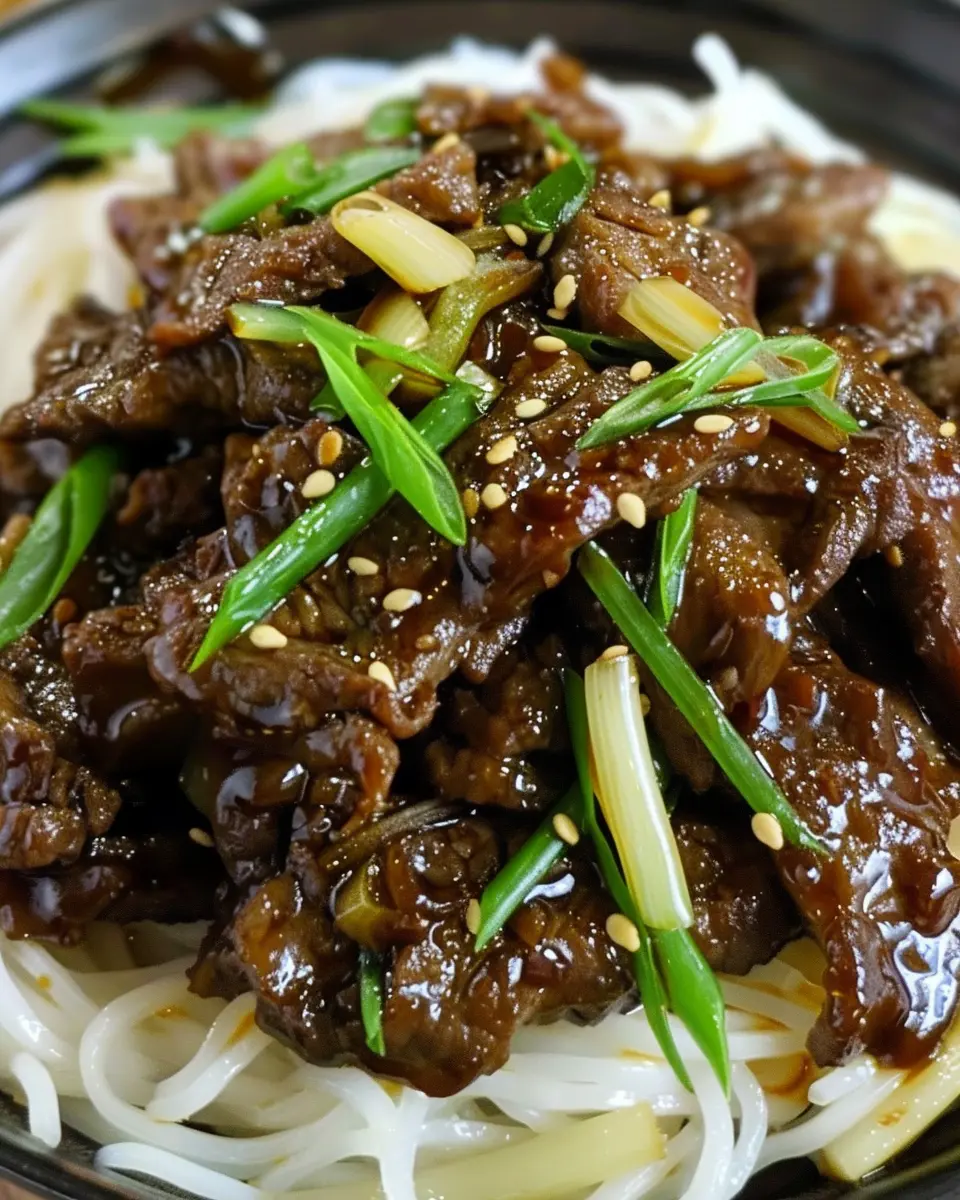
Mongolian beef is a delightful stir-fry dish that has won over the hearts and palates of many food enthusiasts. Despite its name, this dish doesn’t actually come from Mongolia; it’s a staple in American Chinese cuisine. It typically features tender pieces of beef, along with green onions, garlic, and a tasty soy sauce-based marinade that often has a hint of sweetness. This symphony of flavors creates a dish that’s both comforting and satisfying.
But why has Mongolian beef become so popular? For starters, it’s incredibly easy to prepare, making it a great option for young professionals juggling busy lives. Just a few ingredients and a quick cooking process transform simple beef into an aromatic dish that’s ready in minutes. According to the National Restaurant Association, Asian cuisine, especially dishes like Mongolian beef, has seen a surge in popularity among millennials, who often seek quick but flavorful meal options (source).
Another factor contributing to its popularity is versatility. You can customize your Mongolian beef by adjusting the level of spiciness or adding vegetables like bell peppers and carrots for a more colorful presentation. Moreover, it pairs beautifully with fluffy rice and steamed vegetables, creating a well-rounded meal.
Interestingly, this dish is also beloved for its affordability. Many people are surprised to know that you can make a gourmet-quality meal right at home without breaking the bank. There are countless variations out there, from classic recipes to those that cater to different dietary preferences, such as vegetarian options that substitute beef with mushrooms or tofu.
If you’re keen to dive deeper into the world of Mongolian beef or want to explore other easy Asian-inspired recipes, I recommend checking out established culinary sites like Serious Eats or BBC Good Food for tips and robust recipes. These resources can enhance your cooking skills and inspire creativity in the kitchen.
In summary, Mongolian beef is a dish worth exploring — it’s delicious, customizable, and fits perfectly into the hectic lives of young professionals. So, roll up your sleeves and let’s start cooking!
Ingredients for Mongolian Beef
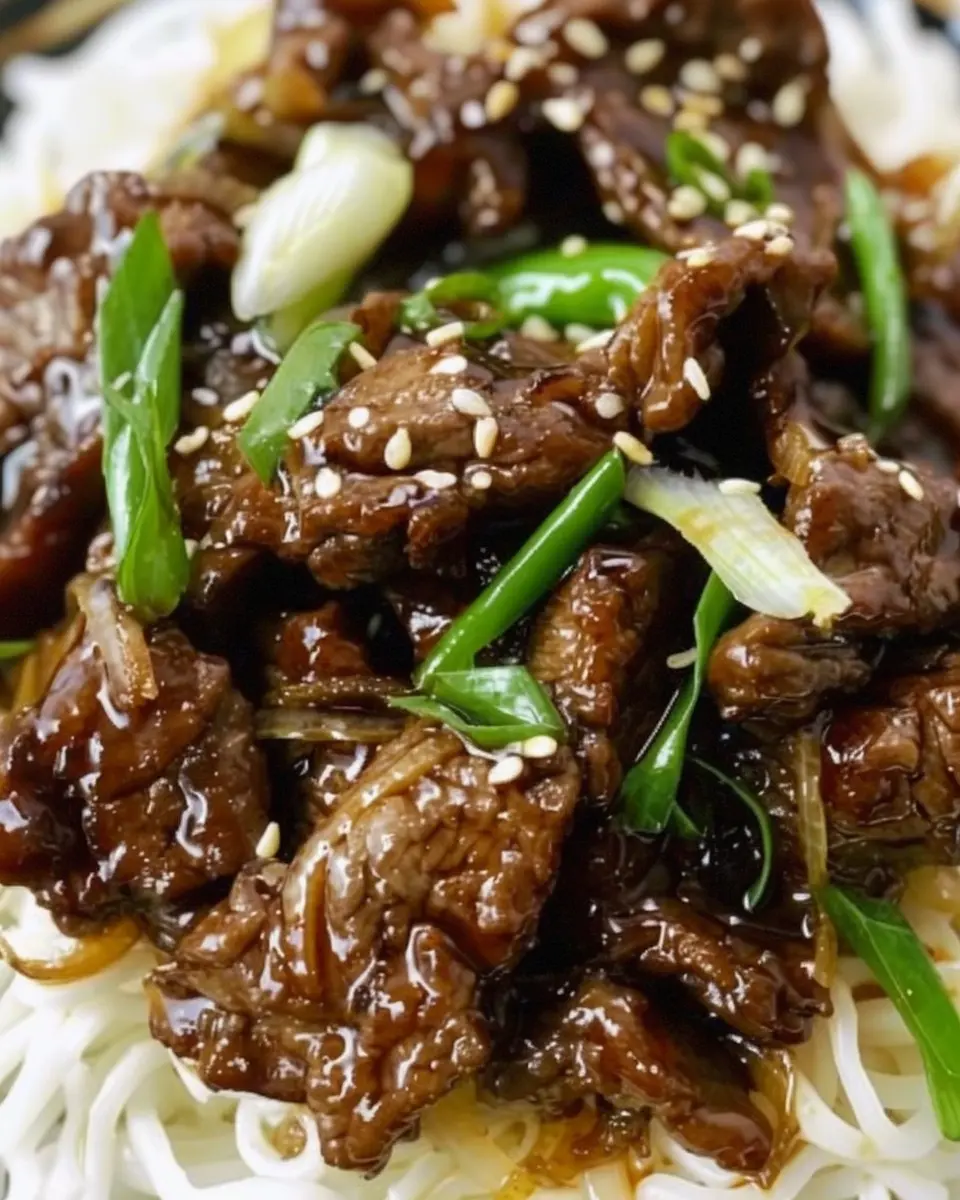
Mongolian beef is a savory dish that showcases simple yet flavorful ingredients. If you’re eager to whip up this delightful meal, here’s what you’ll need.
Essential ingredients for Mongolian Beef
To get started, gather the following essentials:
- Beef: Opt for flank steak or sirloin for the best flavor and tenderness.
- Soy sauce: This will serve as your base for that unmistakable umami taste.
- Brown sugar: It adds a touch of sweetness and balances the saltiness of the soy sauce.
- Green onions: Fresh and crunchy, they enhance both the presentation and flavor profile.
- Ginger and garlic: These aromatic ingredients work wonders in enriching the dish’s aroma and taste.
Optional ingredients for added flavor
You can elevate your Mongolian beef with a few optional ingredients:
- Sesame oil: A drizzle can give your dish a nutty finish.
- Stir-fried vegetables (like bell peppers or broccoli): These add color and nutrition.
- Crushed red pepper flakes: If you enjoy a little heat, they can pack a spicy kick.
These ingredients not only make your meal more delicious, but they also let you customize the dish to fit your preferences. If you’re looking for additional cooking tips, check out Serious Eats or Bon Appétit for inspiration!
Preparing Mongolian Beef
Creating a delicious plate of Mongolian beef at home is not only rewarding but also surprisingly simple. Follow these steps, and you’ll have a restaurant-quality dish ready to delight your taste buds. Let’s dive into the process!
Marinate the Beef
To ensure that your Mongolian beef is tender and flavorful, marination is essential. Start by selecting the right cut of beef—flank steak or sirloin are excellent choices. Here’s how to marinate the beef:
-
Slice the Meat: Cut the beef against the grain into thin strips, about 1/4 inch thick.
-
Prepare the Marinade: In a bowl, mix together:
-
2 tablespoons of soy sauce
-
1 tablespoon of cornstarch
-
1 teaspoon of garlic powder
-
1 teaspoon of ginger powder
-
Mixing it Up: Add the beef slices to the marinade, making sure each piece is well-coated. Let it sit for at least 30 minutes (or longer in the fridge if you have the time) to absorb those delightful flavors.
Did you know marinating beef can improve both flavor and tenderness? According to a study by the USDA, marinating beef not only enhances taste but also reduces potential harmful bacteria.
Prepare the Ingredients
While your beef marinates, it’s time to gather and prepare the rest of your ingredients. A well-organized kitchen makes cooking a breeze.
- Veggies: Chop up some green onions (both white and green parts) and thinly slice some bell peppers for added color and crunch.
- Garlic and Ginger: Freshly minced garlic and ginger pack a punch of flavor. Use about 3 cloves of garlic and a small piece of fresh ginger, finely chopped.
- Soy Sauce: You’ll want additional soy sauce for the sauce itself; keep some handy!
Setting everything out beforehand not only speeds things up but adds to the enjoyment of the cooking process. Feel free to check out this article for more tips on ingredient preparation.
Cook the Beef
Now onto the fun part—cooking the beef. This step is crucial for achieving that perfect stir-fry texture.
- Heat the Pan: Use a large skillet or a wok. Heat it over medium-high heat and add a tablespoon of oil (vegetable or canola work best) when it’s hot.
- Sear the Beef: Add the marinated beef in batches for even cooking, allowing it to brown nicely. Do this for about 2-3 minutes. If you overcrowd the pan, the beef will steam instead of sear, which can hinder that irresistible crust you want.
You’ll know the beef is ready when it develops a beautiful brown color but can stay tender on the inside.
Make the Sauce
While the beef is cooking, it’s time to whip up the Mongolian beef sauce that ties everything together.
- Combine Sauce Ingredients: In a bowl, mix:
- 1/4 cup of soy sauce
- 1/2 cup of brown sugar
- 1 tablespoon of cornstarch with 2 tablespoons of water (this will help thicken your sauce)
- Add your minced garlic and ginger to the mix.
This sauce brings sweetness and a savory flavor that elevates your dish to a whole new level.
Combine Everything in the Pan
Once the beef is cooked, it’s time to bring everything together.
- Add the Sauce: Pour the sauce over the cooked beef while the pan is still hot.
- Stir Thoroughly: Use a spatula to coat the beef evenly. Allow it to simmer for just a couple of minutes until the sauce thickens, making sure all flavors marry beautifully.
- Finish with Veggies: Toss in your prepared green onions and bell peppers for a fresh crunch just before serving.
And there you have it! Your homemade Mongolian beef is ready to be plated. Serve it hot over steamed rice or noodles for a truly satisfying meal. Why not share your culinary adventure on social media and inspire others to try their hand at making this tasty dish?
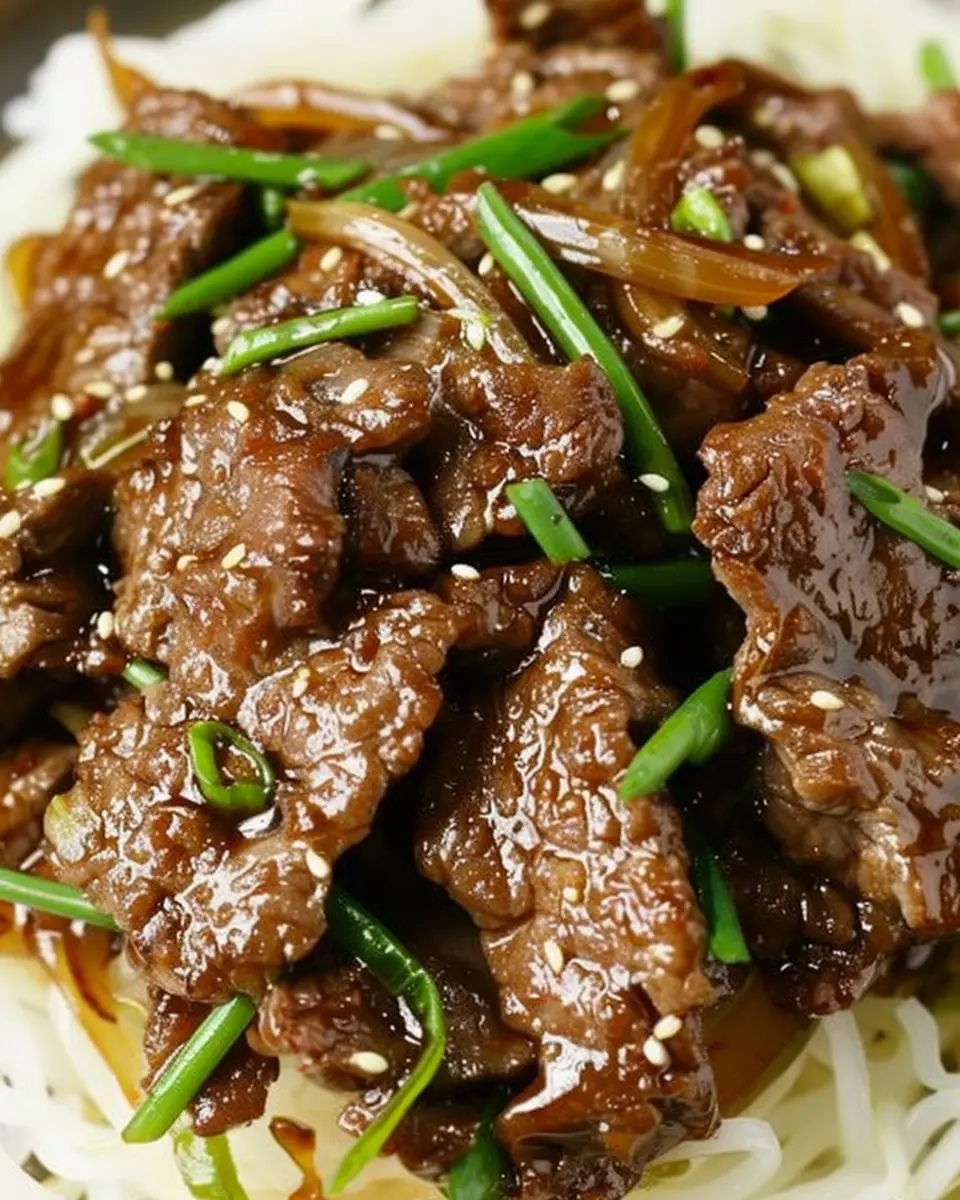
Variations on Mongolian Beef
Vegetarian or Vegan Mongolian Beef
If you’re looking to create a Mongolian Beef dish that’s more plant-friendly, you’re in luck! You can easily substitute traditional beef with hearty alternatives like soy protein, tempeh, or even jackfruit. These ingredients will soak up the rich sauce and deliver that delicious umami flavor you crave.
For a vibrant dish, consider using fresh vegetables such as bell peppers, broccoli, and snap peas. These colorful additions not only enhance the texture but also provide essential nutrients. To make the sauce, you can stick to the classic soy sauce, brown sugar, and ginger mix, ensuring it remains both flavorful and satisfying.
For a great recipe, check out Minimalist Baker’s Vegan Mongolian Beef for inspiration and tips!
Spicy Mongolian Beef
Are you a fan of heat? Transform your Mongolian Beef into a spicy delight by adding ingredients like sriracha or chili paste. Not only will this elevate the flavor profile, but it will also give it that extra kick that spice lovers enjoy.
Another great way to bring the heat is by sautéing some finely chopped fresh chili peppers with the garlic and ginger at the beginning. This method infuses the oil with a spicy aroma that tantalizes the senses.
If you’re aiming for some stunning presentation, garnish your spicy Mongolian Beef with chopped green onions and sesame seeds for that perfect pop of color and crunch. Plus, consider serving it over a bed of jasmine rice or alongside tangy pickled vegetables to balance the spice.
No matter which variation you choose, your friends and family will be impressed with your culinary creativity!
Cooking Tips and Notes for Mongolian Beef
Tips for Tenderizing Beef
To achieve mouthwatering Mongolian beef, tenderizing is key. Here are a couple of techniques you can try:
- Use a Meat Mallet: Lightly pounding the beef helps break down tough fibers, making it more tender.
- Marinate Wisely: A marinade with soy sauce, ginger, and garlic not only adds more flavor but also helps to tenderize the meat. Aim for at least 30 minutes, but overnight is even better!
Notes on Cooking Techniques
Cooking Mongolian beef quickly over high heat is essential for that perfect stir-fry texture. Here’s how:
- Preheat Your Wok or Skillet: This ensures a proper sear, helping to lock in flavors and moisture.
- Don’t Crowd the Pan: Working in batches allows the beef to sear properly, preventing steaming and helping you achieve that crispy bite.
- Finish with Fresh Scallions: Adding them at the end preserves their crunch and delivers a burst of freshness.
For more insights on meat preparation, check out The Spruce Eats or Serious Eats. They have fantastic resources on marinating and cooking techniques. Happy cooking!
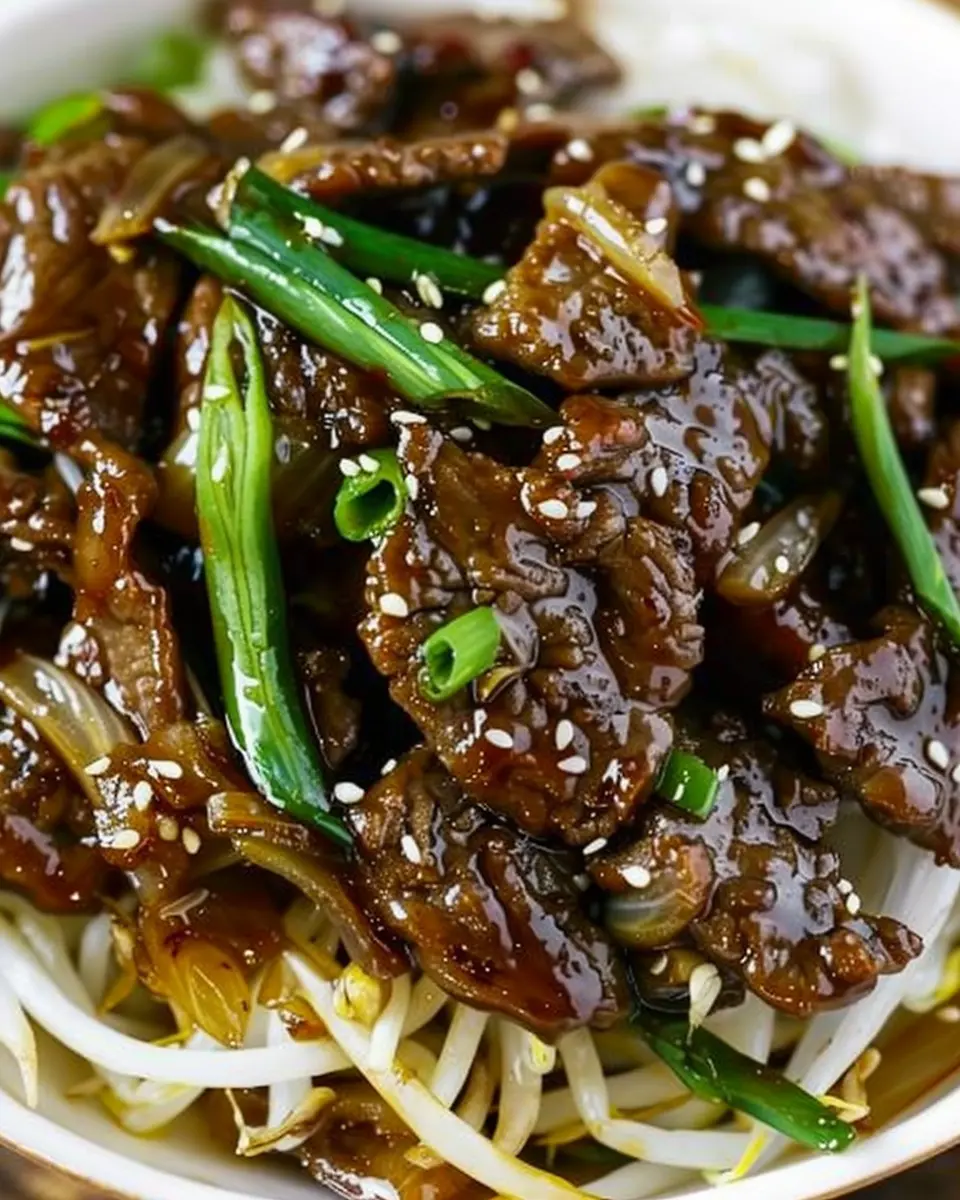
Serving Suggestions for Mongolian Beef
Pairing with Sautéed Vegetables
Elevate your Mongolian beef by serving it alongside a vibrant mix of sautéed vegetables. Think bell peppers, snap peas, and carrots, all lightly tossed in sesame oil for that subtle nutty flavor. Not only does this add color to your plate, but it also brings in a fresh crunch that beautifully complements the tender beef. For a quick guide on the best vegetables to pair, check out this helpful resource.
Serving Over Rice or Noodles
A classic way to serve Mongolian beef is over fluffy rice or lo mein noodles. The grains absorb the savory sauce, balancing the dish perfectly. Consider using jasmine rice for a fragrant touch or whole grain options for added nutrition. If noodles are your preference, try cooking them al dente for that delightful chew. Drizzling with a bit of extra sauce right before serving can really elevate the overall flavor experience.
These ideas not only enhance the dish but also make it visually appealing, ensuring your meal is as delightful to the eyes as it is to the palate. Enjoy your culinary adventure!
Time Breakdown for Mongolian Beef
Preparation Time
Getting ready to whip up some Mongolian beef is quick and simple. You’ll only need about 10 to 15 minutes for preparation. This includes slicing your beef into thin strips and gathering your sauces and seasonings. It might be a bit chaotic at first, with ingredients scattered around, but trust me, it’s part of the fun!
Cooking Time
Once everything is prepped, the cooking time takes about 15 to 20 minutes. The sizzle of the beef in the hot pan is absolutely worth the wait. On high heat, the beef cooks quickly, soaking up all those delicious flavors.
Total Time
In total, you’re looking at roughly 30 to 35 minutes for this delightful dish. With just under half an hour, you can transform your kitchen into an Asian-inspired haven. Perfect for a busy weeknight dinner or an impressive meal for friends!
If you’re interested in quick weeknight solutions, check out The Spruce Eats for more efficient recipes. And don’t forget to make your own delicious sauces from scratch for optimal flavor!
Nutritional Facts for Mongolian Beef
When indulging in a delicious serving of Mongolian beef, it’s essential to understand its nutritional profile. Here’s a quick breakdown of what to expect in terms of calories and macronutrients.
Calories
A typical serving of Mongolian beef contains approximately 380 calories. This makes it a satisfying meal option that can fit well into a balanced diet, especially when paired with steamed vegetables or rice.
Protein
Protein lovers rejoice! One serving offers about 22 grams of protein, making it a great choice for muscle repair and growth after a workout. With high-quality beef as a primary ingredient, this dish delivers in the protein department.
Sodium
While Mongolian beef is flavorful, it can be relatively high in sodium, typically containing around 800 milligrams per serving. It’s a good idea to balance this out with lower-sodium side dishes or consider reducing the soy sauce in your recipe.
Understanding these nutritional facts can help you enjoy Mongolian beef mindfully while maintaining your dietary goals. For more in-depth insights, check out Nutrition Data and Healthline for guidelines on creating a balanced meal plan. So, grab your ingredients and enjoy this delightful dish, feeling good about your choices!
FAQs about Mongolian Beef
Mongolian Beef has become a favorite in many households for its savory flavors and easy preparation. As with any dish, though, you might have a few questions to get it just right. Let’s tackle some common queries about this delectable meal.
How can I make Mongolian Beef less sweet?
If you find the sweetness of your Mongolian Beef recipe to be a bit overwhelming, there are several easy adjustments you can make:
- Reduce the sugar: Start by cutting the amount of brown sugar in half. This will still provide a hint of sweetness without overpowering the dish.
- Increase soy sauce: Adding a touch more soy sauce can balance out the sweetness and give your dish a richer umami flavor. Just be mindful of the salt content.
- Add acidity: A splash of rice vinegar or a squeeze of lime juice can counteract sweetness effectively while enhancing the overall flavor profile of your dish.
Can I use a different cut of beef for Mongolian Beef?
Absolutely! While flank steak is a popular choice, you can experiment with other cuts as well:
- Sirloin: Tender and flavorful, this cut can still give you that satisfying chew without needing much cooking time.
- Round: This is a leaner cut that works well if sliced thinly. Just be sure to marinate longer for maximum tenderness.
- Brisket: For a more comforting and hearty dish, this cut will offer a rich flavor once cooked low and slow.
What are good side dishes to serve with Mongolian Beef?
Pair your Mongolian Beef with simple yet delicious side dishes to round out your meal:
- Steamed Jasmine Rice: A classic choice that soaks up all the delicious sauce.
- Stir-Fried Vegetables: Broccoli, bell peppers, or snap peas can add color and nutrition.
- Asian Noodles: A light noodle salad tossed with sesame dressing complements the beef beautifully.
By incorporating these tips and suggestions, you can elevate your Mongolian Beef experience and make it truly your own! For more inspiration, check out these related recipes. Happy cooking!
Conclusion on Mongolian Beef
Encouragement to Try the Recipe at Home
Mongolian beef is not just a dish; it’s an experience that can transform your weeknight dinners. Cooking this meal at home is easier than you might think, and it’s a wonderful way to impress your friends or family. The rich, savory flavors paired with tender meat make it a delightful addition to any table.
To get started, gather your ingredients and follow the recipe step-by-step. Don’t hesitate to tweak it to your taste—perhaps adding some extra vegetables or adjusting the spice level. Every cook adds their twist! Embrace the process; who knows, it might just become your new favorite dish! For more tips and variations, check out Serious Eats and The Spruce Eats. Happy cooking!
PrintMongolian Beef: Easy Recipe for a Flavorful Homemade Meal
A delicious and easy recipe for making Mongolian beef at home.
- Prep Time: 15 minutes
- Cook Time: 10 minutes
- Total Time: 25 minutes
- Yield: 4 servings 1x
- Category: Main Dish
- Method: Stovetop
- Cuisine: Asian
- Diet: Gluten-Free
Ingredients
- 1 pound flank steak, thinly sliced
- 1/4 cup soy sauce
- 2 tablespoons brown sugar
- 2 tablespoons vegetable oil
- 3 cloves garlic, minced
- 1/2 teaspoon ground ginger
- 3 green onions, chopped
Instructions
- In a bowl, mix the soy sauce and brown sugar until dissolved.
- In a pan, heat vegetable oil over medium-high heat.
- Add the beef and sear until browned.
- Add garlic and ginger, cooking for an additional minute.
- Pour in the soy sauce mixture and bring to a simmer.
- Stir in the green onions and cook for another minute.
- Serve hot with rice or noodles.
Notes
- This dish is best served fresh, but leftovers can be stored in the fridge for up to 3 days.
- For a spicier kick, add some red pepper flakes.
Nutrition
- Serving Size: 1 plate
- Calories: 250
- Sugar: 5g
- Sodium: 800mg
- Fat: 15g
- Saturated Fat: 3g
- Unsaturated Fat: 10g
- Trans Fat: 0g
- Carbohydrates: 10g
- Fiber: 1g
- Protein: 20g
- Cholesterol: 60mg
Keywords: Mongolian Beef, easy recipe, homemade meal