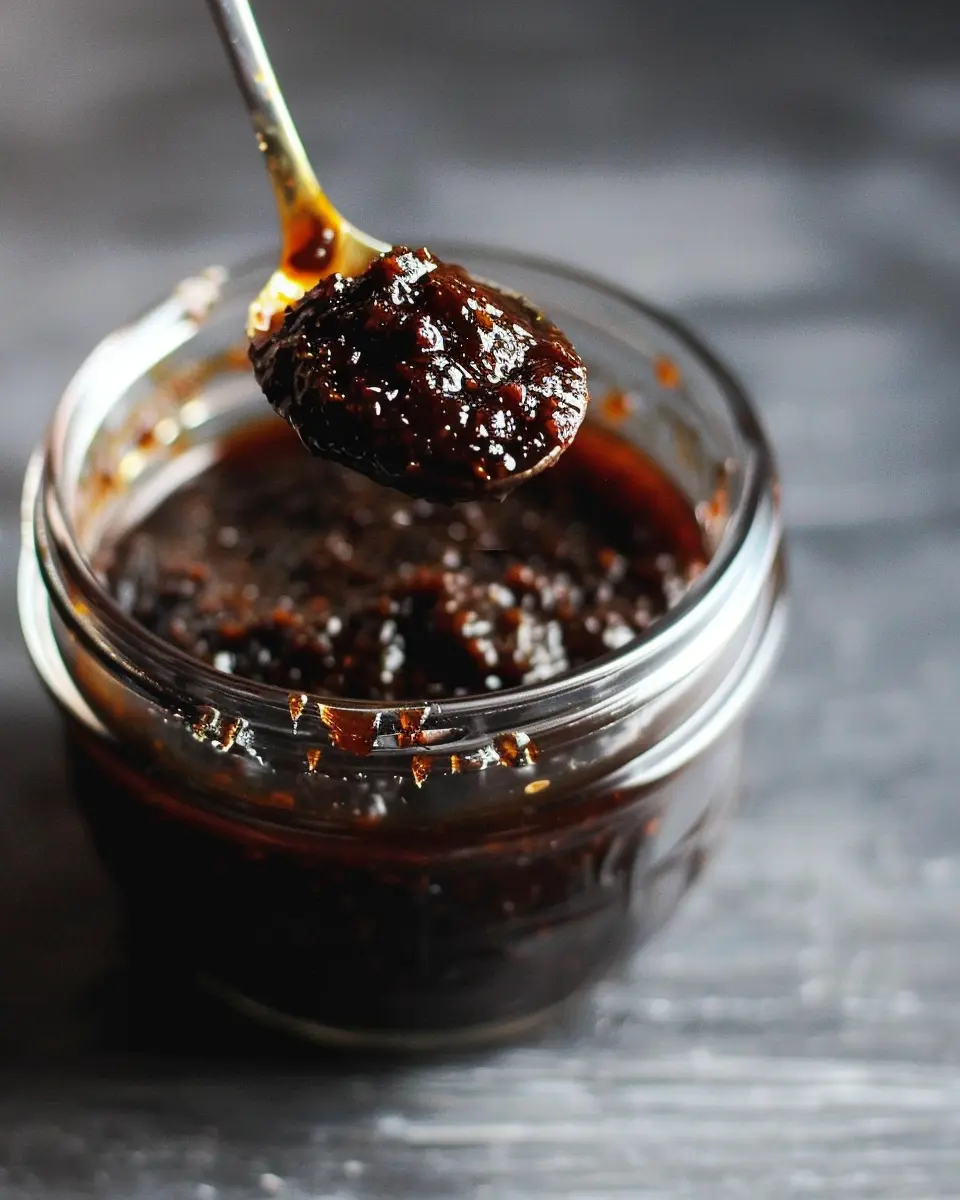
Outline for Homemade Worcestershire Sauce
Creating your own homemade Worcestershire sauce opens up a world of flavor customization and culinary exploration. This tangy, savory condiment, often underappreciated, can elevate your dishes, from marinades to salad dressings, and even your daily meals. Let’s dive into the details of crafting your very own version of this classic sauce.
Understanding the Ingredients
The beauty of making homemade Worcestershire sauce lies in the ability to choose your ingredients based on personal tastes. Here are some common elements you can include:
- Vinegar: This is the primary sour component. You can opt for apple cider, white or even rice vinegar, depending on your flavor profile preference.
- Soy Sauce: Offers a savory umami note; can substitute with tamari for a gluten-free option.
- Molasses: For sweetness and depth. This can also be swapped with maple syrup if you’re looking for a lighter touch.
- Spices: Common spices include garlic powder, onion powder, and ground pepper. You can also experiment with mustard seeds, allspice, and even chili flakes for heat.
- Additional Flavors: This is where you can really make it your own. Incorporate lemon juice or some anchovy paste for umami (though you can omit this for a vegetarian version).
The ingredient choices not only affect the taste but also the final outcome, meaning that each batch can be unique.
Tools and Equipment Needed
Before diving into the recipe, gathering all the necessary tools is crucial. Here’s what you’ll need:
- Measuring Cups and Spoons: Precision matters even when cooking.
- Mixing Bowl: For combining ingredients before cooking.
- Saucepan: To simmer your sauce so flavors meld beautifully.
- Bottle for Storage: A glass bottle or jar with a tight lid is ideal for keeping your sauce fresh.
These simple items will ensure your kitchen adventure is both smooth and enjoyable!
A Step-by-Step Recipe for Homemade Worcestershire Sauce
Now that we’ve prepped and gathered our tools, let’s get to the fun part! Below is a straightforward recipe that yields about 1 cup of homemade Worcestershire sauce.
Ingredients
- 1/2 cup apple cider vinegar
- 1/4 cup soy sauce (or tamari for gluten-free)
- 2 tablespoons molasses
- 1 tablespoon Dijon mustard
- 1 tablespoon garlic powder
- 1 tablespoon onion powder
- 1/2 teaspoon ground black pepper
- 1 teaspoon chili powder or flakes (optional, if you enjoy heat)
- Juice of 1 lemon
- 1 teaspoon anchovy paste (optional, for umami)
- A pinch of allspice (optional)
Instructions
-
Combine Ingredients: In a mixing bowl, combine all the ingredients listed above. Whisk until thoroughly blended.
-
Simmer: In a saucepan, pour the mixture and bring it to a gentle simmer over medium heat. The goal is not to boil but to gently cook and allow flavors to meld beautifully.
-
Reduce and Thicken: Simmer for about 10–15 minutes, or until the sauce has slightly thickened. The texture should be syrupy but not overly thick.
-
Cool and Store: Remove from heat and let it cool. Once cooled, transfer the sauce to your storage container.
-
Refrigerate: Store in the refrigerator for up to 6 months. The flavors will continue to develop over time, making the wait worth it!
This simple recipe proves creating homemade Worcestershire sauce is not only fun but also quite rewarding.
Uses for Homemade Worcestershire Sauce
Once you’ve completed your homemade Worcestershire sauce, the possibilities are endless! Here are some creative ways to incorporate this sauce into your cooking:
- Marinades for Turkey Bacon and Chicken Ham: Combine the sauce with olive oil and garlic for a flavorful marinade.
- Savory Salad Dressings: Mix with olive oil, herbs, and a touch of lemon juice for an instant upgrade.
- Umami Boost in Soups: Just a splash can enhance broths and stews dramatically.
- Stir into BBQ Sauce: Add depth to your barbecue recipes by incorporating some of your homemade goodness.
For more ideas, check out this article on versatile sauces, offering a broad perspective on how to enhance your culinary creations.
Expert Tips for Perfecting Your Sauce
As you embark on this flavorful journey, here are some expert tips to ensure your homemade sauce is perfect every time:
- Taste as You Go: Every palate is different. Taste the sauce as you’re simmering and adjust the flavors as necessary.
- Experiment with Seasoning: Don’t hesitate to adjust the spice levels. Add more chili flakes if you like heat or skip them entirely for a milder experience.
- Clean Storage: Ensure your storage container is clean to prolong the lifespan of your sauce.
Cooking can be a delightful exploratory process, and these adjustments allow you to put your personal stamp on a beloved classic.
Wrapping It Up: The Benefits of Homemade Worcestershire Sauce
You might be asking yourself: why go through the effort of making your own sauce? Here are some compelling reasons:
- Control Over Ingredients: Making your own sauce means no preservatives or unnecessary additives. You decide what goes in.
- Cost-Effective: Homemade often beats store-bought in price, especially if you use pantry staples.
- Personal Touch: Ideal as a gift for friends or family who enjoy cooking, your homemade Worcestershire sauce is a thoughtful and unique present.
By now, you should feel equipped and inspired to take on the culinary adventure of creating your own sauce. Enjoy the process, share with loved ones, and relish in the satisfaction of opening the fridge to discover your unique blend of flavors ready to enhance any dish!
This thorough exploration of making homemade Worcestershire sauce isn’t just a recipe; it’s an invitation to experiment and explore your culinary creativity. Try this sauce out in your next dish, and let it elevate your cooking game!
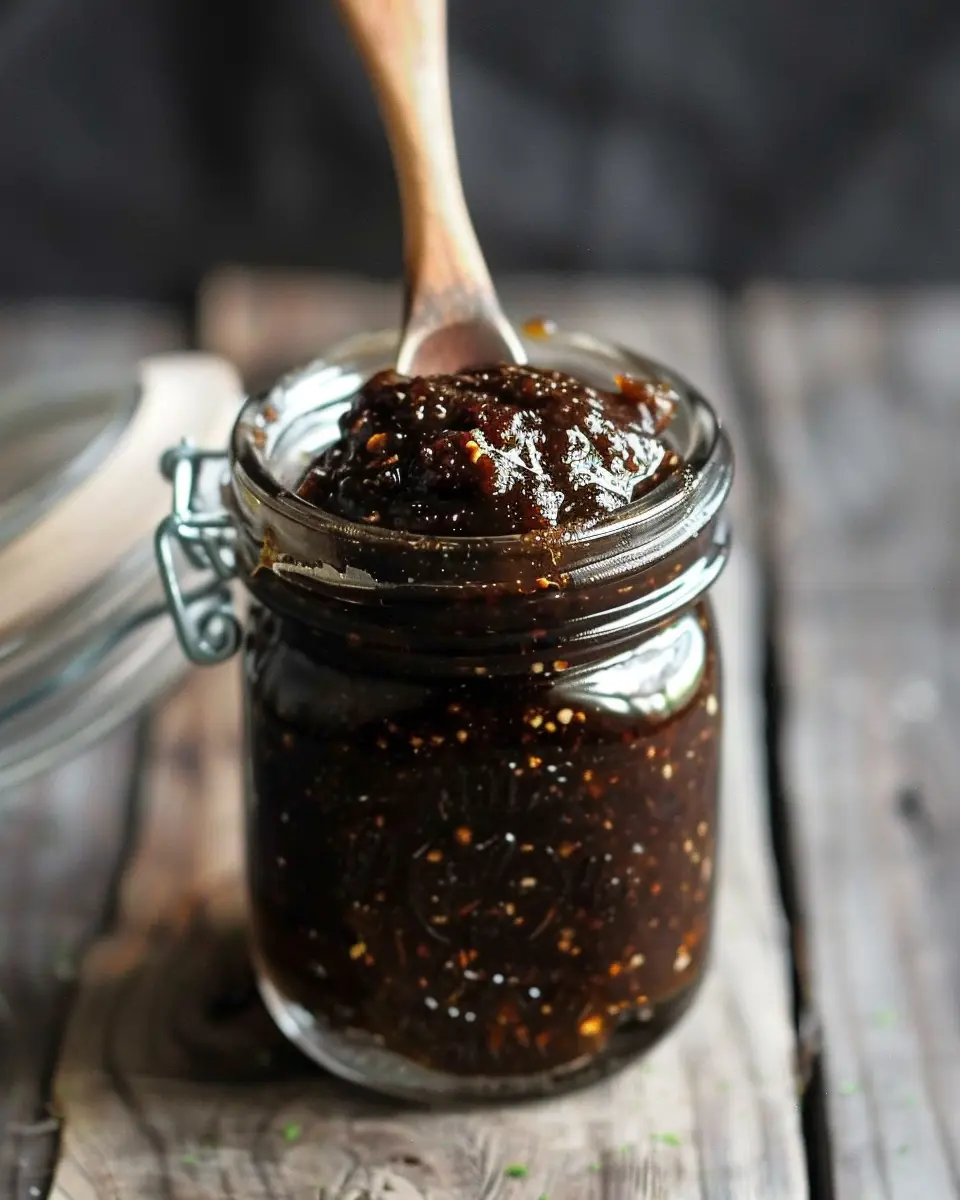
Introduction to Homemade Worcestershire Sauce
Why make your own Worcestershire sauce?
Have you ever glanced at a bottle of Worcestershire sauce and wondered what all those ingredients really mean? You’re not alone! When you whip up your own homemade Worcestershire sauce, you take control of what goes into your kitchen. This means no preservatives or mystery ingredients – just pure, delicious flavor. Making it at home can feel a bit like alchemy; you’ll mix together a handful of simple ingredients to create a complex harmony for your dishes.
But let’s face it, who doesn’t enjoy the satisfaction of saying, “Yeah, I made that”? Whether you’re a culinary novice or a seasoned home chef, crafting your own sauce can be a fun project. Plus, you have the freedom to tweak the recipe to match your taste preferences. Love it spicy? Add extra chili. Want it sweeter? A touch more sugar will do the trick.
The benefits of homemade over store-bought
Creating a homemade Worcestershire sauce comes with several fantastic benefits:
- Quality Ingredients: You choose everything that goes in, ensuring freshness and the best flavors.
- Customization: Adjust the balance of flavors to suit your palate. Don’t like anchovies? Use soy sauce as a substitute!
- Healthier Options: Many commercial sauces contain high levels of sodium and preservatives. When you make it yourself, you can maintain a healthy balance.
- Cost-Effective: Making your own sauce can be significantly cheaper than buying those tiny bottles at the store.
According to a source from the CDC, the average American consumes too much sodium, so by making a version you love, you can control portions and ingredients. Plus, you can store your sauce in reusable jars, promoting sustainability—a small step towards eco-friendliness.
So, whether you’re drizzling it on Turkey Bacon or adding a splash to a savory stew, making your own Worcestershire sauce gives you flexibility, flavor, and fun. Ready to dive in? Let’s get cooking!
Ingredients for Homemade Worcestershire Sauce
Crafting your own homemade Worcestershire sauce is an exciting culinary venture! Let’s explore what you’ll need to whip up this flavorful concoction.
Essential ingredients you’ll need
- Vinegar (like apple cider vinegar for tanginess)
- Soy sauce (for that umami kick)
- Brown sugar (to add sweetness and depth)
- Garlic powder (because who doesn’t love garlic?)
- Onion powder (it’s a staple for flavor)
- Mustard powder (a hint of spice)
- Tamarind paste (for that unique, zesty touch)
- Hot sauce (like Tabasco, if you enjoy a bit of heat)
These ingredients are often found in most kitchens, and they bring a delightful depth to your sauce.
Optional ingredients for customization
Feel free to get creative! Here are some optional additions to make your homemade Worcestershire sauce even more distinctive:
- Liquid smoke (for a smoky flavor)
- Fish sauce (for added umami)
- Black pepper (for extra spice)
- Lemon juice (to brighten the flavor)
Don’t hesitate to mix and match based on your personal taste. Want to dive deeper into flavor profiles? Check out resources on Worcestershire sauce history and uses. Happy cooking!
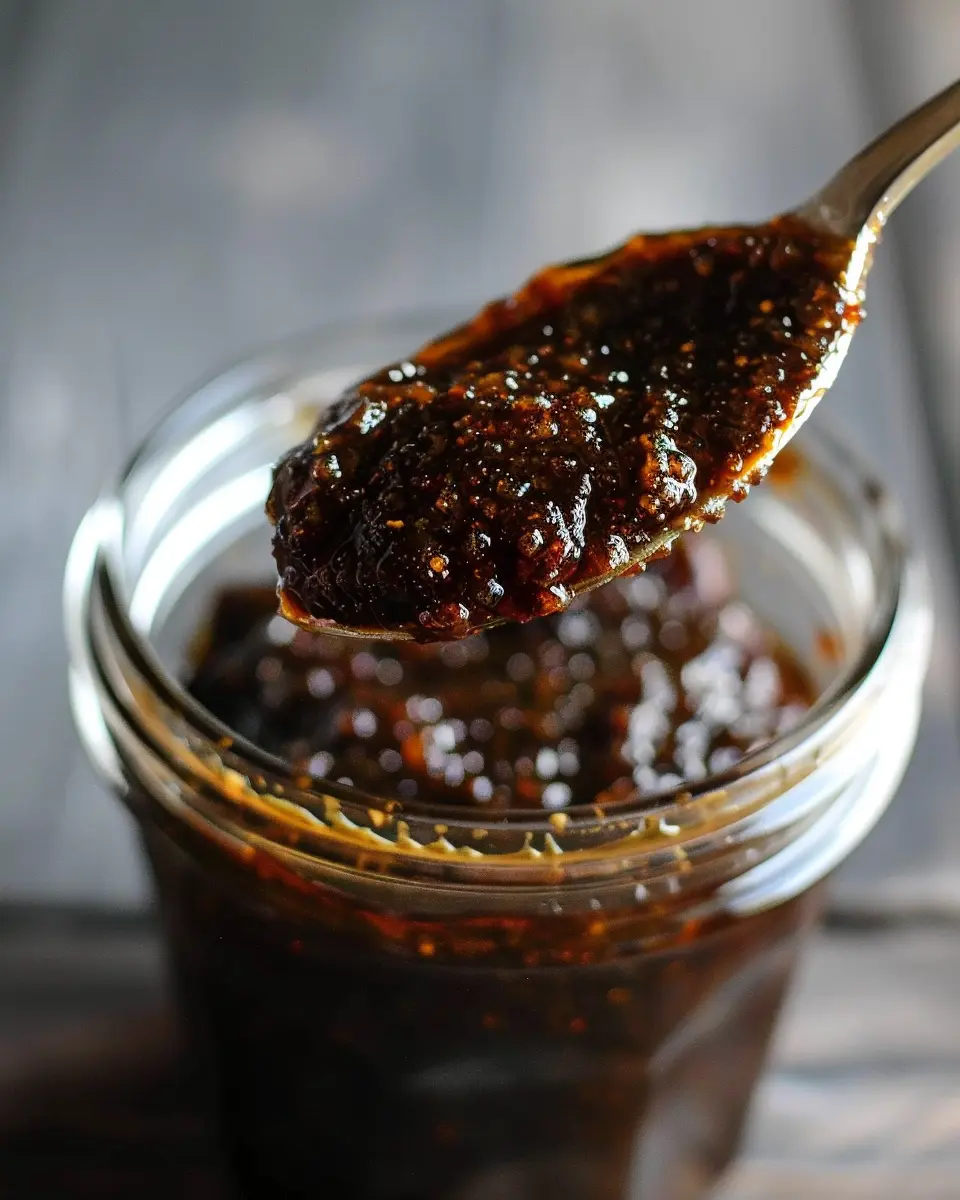
Preparing Homemade Worcestershire Sauce
Making homemade Worcestershire sauce is an enjoyable culinary adventure that allows you to control the flavor profile and create something truly your own. Follow along as we break down each essential step!
Soften the raisins
First things first, raisins are a key ingredient in this sauce, adding a natural sweetness that balances the tanginess perfectly. Start by chopping about 1/2 cup of raisins into smaller pieces. You can use golden or regular raisins, depending on the flavor you’re after.
Next, you’ll want to soak the chopped raisins in warm water for about 15-20 minutes. This will help soften them, making them easier to blend and ensuring they mix well into your homemade Worcestershire sauce. If you want an extra flavor boost, you can substitute the water with apple cider vinegar, which will add an additional layer of acidity to your sauce.
Blend your base mixture
Once the raisins have softened, it’s time to create the base of your sauce. In a blender, combine the soaked raisins along with:
- 1/3 cup apple cider vinegar
- 2 tablespoons soy sauce (or tamari for a gluten-free option)
- 1 tablespoon fish sauce (or a vegan alternative)
- 1 tablespoon lemon juice
- 1 teaspoon ground mustard
- 1 teaspoon black pepper
Blend this mixture on high until it’s smooth. The goal here is to create a rich, flavorful paste that ties all your ingredients together. Don’t be afraid to taste as you go; this is your chance to adjust the flavors according to your preference. If you’ve ever experimented with different flavor profiles, you know how satisfying it can be!
Combine and cook the ingredients
Now that you have your base mixture ready, take a medium saucepan and pour in your blended sauce. Add in some essential seasoning ingredients to round out the flavors:
- 1 tablespoon brown sugar
- 2 teaspoons allspice
- 1 teaspoon garlic powder
- 1/2 teaspoon onion powder
- 1/2 teaspoon ground cinnamon
Stir everything together over medium heat until it reaches a gentle simmer. The cooking process not only helps meld the flavors together, but it also thickens the sauce nicely. Allow it to simmer for about 20-30 minutes, stirring occasionally to prevent sticking. If you like a thicker sauce, you can simmer it longer until you achieve the desired consistency.
Age the sauce for best flavor
After simmering, remove the saucepan from heat and let your homemade Worcestershire sauce cool down a bit. Once cooled, transfer it into a glass jar or bottle. To enhance the flavors even further, let your sauce age in the refrigerator for at least 24 hours—ideally, a week. This aging process allows the flavors to develop and deepen, leading to an incredible taste experience when you finally use it. Just like how a well-aged cheese can bring a dish to life, so can a crafted sauce!
Strain and store the sauce
Once your sauce has aged to perfection, it’s time to strain it. Using a fine-mesh sieve or cheesecloth, pour your sauce through to remove any remaining solids. This step will give your homemade Worcestershire sauce a wonderfully smooth texture, perfect for drizzling or mixing into recipes.
Store your strained sauce in an airtight container and refrigerate it to keep it fresh. With all these steps complete, you’re now equipped to elevate your meals with your flavorful, homemade concoction. You can use this sauce in marinades, salad dressings, or even to spice up a classic meatloaf. The possibilities are endless!
There you have it—a comprehensive guide to achieving your very own homemade Worcestershire sauce! Now go ahead, unleash your inner chef, and make cooking magic happen! If you love this process, check out this link for more insights into sauce-making!
Variations on Homemade Worcestershire Sauce
Exploring homemade Worcestershire sauce opens up a world of flavor possibilities. Whether you’re sticking to dietary preferences or just feeling adventurous, there’s a variation for everyone.
Vegan Worcestershire Sauce
Creating a vegan version of homemade Worcestershire sauce is surprisingly simple. You can replace traditional anchovies with miso paste, which delivers that essential umami kick without any fish. Here’s a quick list of ingredients you can use:
- 1 cup apple cider vinegar
- 1 tablespoon soy sauce or tamari for gluten-free
- 1 tablespoon miso paste
- 1 teaspoon ground ginger
- 1 teaspoon garlic powder
- Dash of hot sauce for added flavor
This combination not only keeps it plant-based but also packs a punch of flavor, making it perfect for salad dressings and marinades.
Spicy Version with Chili Peppers
If you’re a fan of heat, consider a spicy rendition. Adding finely chopped chili peppers will take your homemade Worcestershire sauce to the next level. Here’s how to spice it up:
- Use fresh chilies like Serrano or Jalapeño, or opt for dried red chili flakes.
- Start with one pepper, or increase to your tolerance level.
- Blend it into the sauce and allow it to sit to develop the flavors.
This fiery twist will add depth to meats, especially when glazed on Turkey Bacon or Beef dishes.
Sweetened Alternative for Specific Recipes
Sometimes, a hint of sweetness is necessary, especially in marinades for grilled Chicken Ham. To create a sweetened alternative:
- Add a tablespoon of brown sugar or maple syrup to your homemade Worcestershire sauce.
- This is especially delightful in barbecue recipes or glazes for roasted vegetables.
A touch of sweetness balances out the savory elements, making dishes feel more rounded and flavorful.
Experiment with these variations to discover what best suits your palate. For more tips on making sauces at home, check out Serious Eats or The Kitchn. Happy cooking!
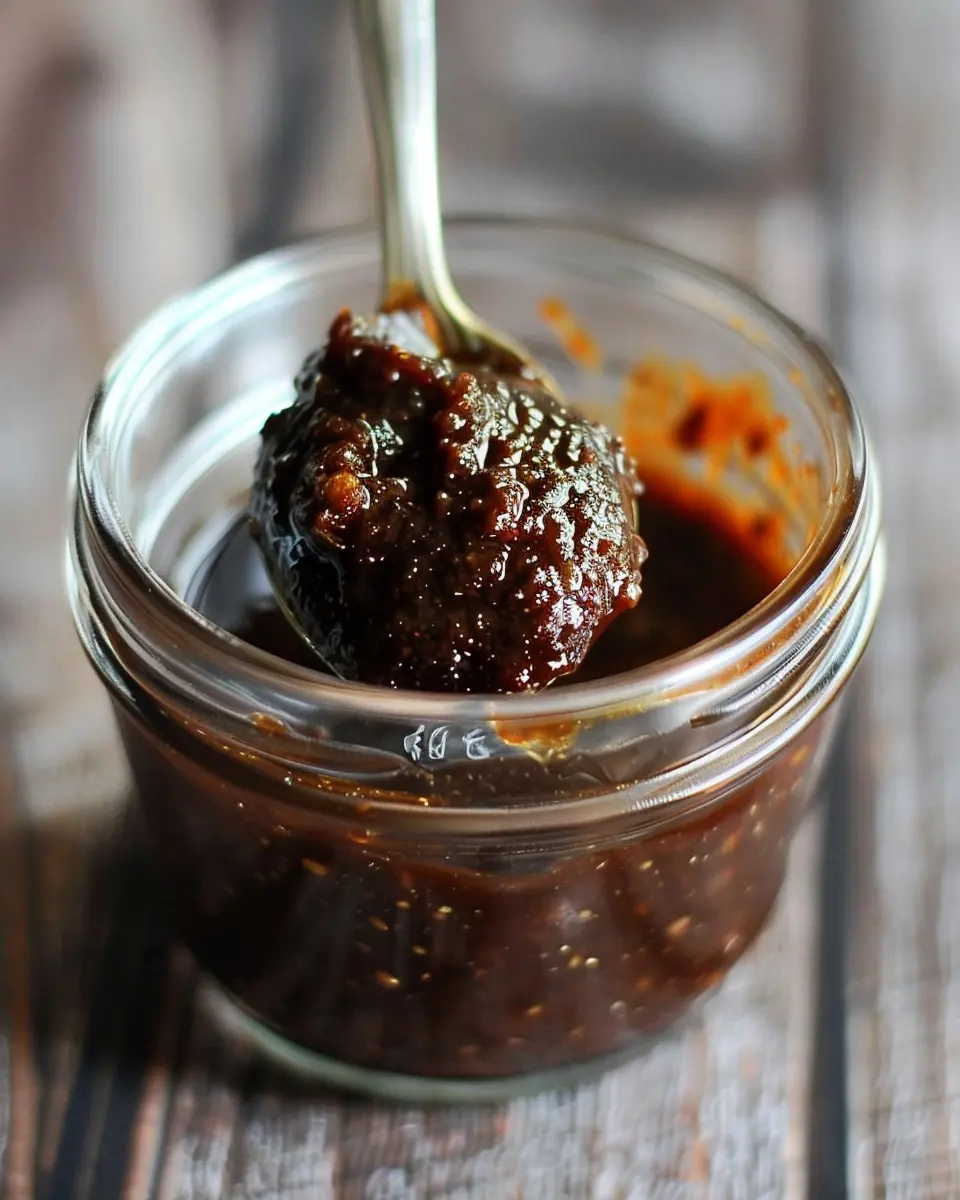
Cooking Tips and Notes for Homemade Worcestershire Sauce
Storing Tips for Longevity
To keep your homemade Worcestershire sauce tasting fresh, store it in a tightly sealed glass jar or bottle in the refrigerator. While it can last up to a month on your pantry shelf, refrigeration can extend its life significantly, letting the flavors meld beautifully. For optimal freshness, label the bottle with the date you made it. You might be surprised at how much flavor develops over time, making it worth the wait!
How to Adjust Flavor Profiles
The beauty of homemade Worcestershire sauce lies in its versatility. If you’re aiming for a sweeter version, consider adding a touch of brown sugar or maple syrup. Alternatively, if you prefer a bolder taste, increasing the amount of tamari or adding a few chili flakes can elevate your sauce instantly. Don’t hesitate to experiment! Start with small adjustments and taste as you go—after all, cooking is an art, and you’re the artist.
For more inspiration, check out Serious Eats for tips on flavor balancing!
Serving Suggestions for Homemade Worcestershire Sauce
How to Use in Marinades and Dressings
Harnessing the unique flavors of homemade Worcestershire sauce can elevate your dishes to new heights. To create a standout marinade, simply combine it with olive oil, minced garlic, and a splash of apple cider vinegar. This blend works wonders on chicken or turkey bacon, delivering a deliciously tangy finish. For dressings, mix with yogurt or mayonnaise for a creamy, zesty accompaniment to salads. You can even drizzle it over roasted vegetables for added flavor.
Pairing Suggestions for Meats and Vegetables
When it comes to pairing, homemade Worcestershire sauce excels with a variety of proteins and veggies. It shines on grilled beef or chicken ham, adding a savory depth. Don’t overlook its potential with meats like turkey bacon or even firm tofu for a vegetarian twist. For veggies, try tossing broccoli or green beans in a quick stir-fry with garlic and a dash of your homemade sauce.
Overall, think of this versatile condiment as your secret weapon in the kitchen, bringing vibrancy to your meals. For more tips and flavor ideas, visit Serious Eats or Bon Appétit.
Time Breakdown for Homemade Worcestershire Sauce
Creating your own homemade Worcestershire sauce is a rewarding process that takes a bit of time but yields rich flavor unmatched by store-bought versions. Here’s a quick breakdown to help you plan accordingly.
Preparation Time
You’ll need about 10-15 minutes to gather your ingredients and combine them in a mixing bowl. This is the fun part where you can experiment with flavors!
Cooking Time
The cooking aspect is quite simple. You’ll want to simmer the mixture for around 30 minutes, allowing the ingredients to meld beautifully.
Aging Time
After cooking, let your sauce sit for 3 to 4 weeks to develop its full, robust flavor. Patience is key here!
Total Time
In total, expect to invest roughly 3 to 4 weeks for the complete process, most of which is just waiting. Check out this article on flavor development for insights on why aging matters!
So, are you ready to dive into making your own homemade Worcestershire sauce? Your taste buds will thank you!
Nutritional Facts for Homemade Worcestershire Sauce
When you whip up a batch of homemade Worcestershire sauce, understanding its nutritional profile can enhance your cooking experience. Here’s a quick look at what to expect:
Calories
A typical serving of homemade Worcestershire sauce (about a tablespoon) contains around 15 calories. While it’s not a primary source of energy, it adds robust flavor without packing on the calories, making it a great addition to your dishes.
Sodium Content
One of the key factors in Worcestershire sauce is its sodium content. On average, a tablespoon has about 150 mg of sodium. This can vary based on your recipe and whether you choose low-sodium alternatives, so keep an eye on your intake if you’re watching your salt levels.
Other Nutritional Benefits
Aside from adding depth to your meals, homemade Worcestershire sauce offers some beneficial ingredients. Ingredients like vinegar and tamarind provide antioxidants, while the spices can promote digestion. For a deep dive into the nutritional benefits of common sauce ingredients, check out Harvard Health’s insights on spices and health benefits.
Making your own version not only allows you to control the ingredients but also can elevate your culinary creations with unique flavors tailored to your taste! If you’re looking to explore further, consider researching how Worcestershire sauce can complement various dishes, from marinades to salad dressings.
FAQs about Homemade Worcestershire Sauce
How long does homemade Worcestershire sauce last?
Once you’ve crafted your homemade Worcestershire sauce, you’ll want to know how to store it properly. When sealed in an airtight container and kept in the refrigerator, it can last for about 3 to 6 months. Trust me, it’s such a versatile condiment, you’ll likely use it long before it ever goes bad. Just keep an eye out for any changes in smell, color, or texture. If anything seems off, it’s best to discard it.
Can I use substitutions for any ingredients?
Absolutely! One of the beauties of making your own homemade Worcestershire sauce is its flexibility. If you can’t find tamarind paste, consider using a mixture of ketchup and vinegar as a substitute. Need a gluten-free version? Opt for coconut aminos instead of soy sauce. You can also adjust sweetness by modifying the brown sugar or opting for a natural sweetener like honey.
For a detailed look at ingredient substitutions, check out this helpful resource on ingredient swaps.
What dishes pair best with Worcestershire sauce?
Homemade Worcestershire sauce is your kitchen’s secret weapon! Consider using it in:
- Steak marinades to enhance beef flavor.
- Dressings for a savory twist on salads.
- Soups and stews, where a dash can add depth.
- Turkey bacon or chicken ham sandwiches for added richness.
Incorporating this sauce into your dishes not only elevates the flavor but also adds an umami punch that will impress your friends and family. So go ahead, have fun experimenting!
Conclusion on Homemade Worcestershire Sauce
Recap the joys of homemade sauce
Creating your own homemade Worcestershire sauce is not just a rewarding kitchen adventure; it allows you to customize flavors to fit your taste. From the tangy zest of vinegar to the umami punch from soy sauce, every ingredient plays a role in crafting something uniquely yours. Plus, knowing exactly what goes into your sauce ensures a healthier option, free from preservatives.
Encouragement to get started
So why not give it a shot? Making your own Worcestershire sauce is surprisingly simple, and you’ll impress friends and family with your culinary skills. Experiment with different ingredients and find the blend that speaks to you. Explore more tips on homemade sauces to elevate your cooking game. Happy saucing!
PrintHomemade Worcestershire Sauce: The Best Blend for Flavorful Meals

Learn how to make your own Worcestershire sauce at home with this easy recipe. Discover the perfect blend of flavors to elevate your meals!
- Prep Time: 10 minutes
- Cook Time: 0 minutes
- Total Time: 1 day
- Yield: 1.5 cups 1x
- Category: Condiments
- Method: No-Cook
- Cuisine: American
- Diet: Vegan
Ingredients
- 1 cup apple cider vinegar
- 1/4 cup soy sauce
- 1/4 cup water
- 1 tablespoon brown sugar
- 1 tablespoon molasses
- 1 teaspoon mustard powder
- 1/2 teaspoon ground ginger
- 1/2 teaspoon garlic powder
- 1/4 teaspoon ground cloves
- 1/4 teaspoon black pepper
Instructions
- In a medium bowl, mix together the apple cider vinegar, soy sauce, and water.
- Add the brown sugar and molasses, stirring until dissolved.
- In a separate bowl, combine the mustard powder, ground ginger, garlic powder, ground cloves, and black pepper.
- Mix the dry ingredients into the liquid ingredients until well combined.
- Transfer the mixture to a clean jar and seal tightly.
- Let it sit in the refrigerator for at least 24 hours to allow the flavors to meld.
Notes
- This sauce can be stored in the refrigerator for up to 6 months.
- Adjust the sweetness or spiciness according to your preference.
Nutrition
- Serving Size: 1 tablespoon
- Calories: 15
- Sugar: 1
- Sodium: 320
- Fat: 0
- Saturated Fat: 0
- Unsaturated Fat: 0
- Trans Fat: 0
- Carbohydrates: 3
- Fiber: 0
- Protein: 0
- Cholesterol: 0
Keywords: Homemade Worcestershire Sauce, sauce recipe, flavor enhancer