Jerusalem Easter Dinner: A Holy Week Tradition
Why celebrate a Jerusalem Easter Dinner?
Celebrating a Jerusalem Easter Dinner brings a rich cultural and spiritual experience to your table. Nestled in the heart of religious significance, Jerusalem embodies a unique blend of history and tradition that resonates deeply during Holy Week. Sharing a meal inspired by this vibrant city allows us to reflect on the themes of renewal and community, making it a delightful way to mark the Easter holiday.
Imagine gathering friends and family around a beautifully set table, enjoying dishes infused with traditional flavors that have been passed down through generations. It’s not just about food; it’s about the experience and the connections we foster when sharing a meal. This tradition invites individuals to pause, appreciate the moment, and engage in heartfelt conversations, adding depth to the celebrations.
The significance of food in Holy Week traditions
Food plays an essential role in Holy Week, symbolizing more than just nourishment. It serves as a potent reminder of sacrifice, shared joy, and the act of coming together. During this time, many communities prepare specific dishes that carry symbolic meaning. For instance, unleavened bread and rich stews reflect the Jewish roots of Easter, while vibrant salads and roasted vegetables embody the season of spring and rebirth.
Consider some of the traditional dishes you might integrate into your Jerusalem Easter Dinner:
- Roasted Lamb: Symbolizing sacrifice and renewal.
- Stuffed Grape Leaves: Representing abundance and prosperity.
- Herb-infused Quinoa: A fresh take on grains that signifies growth.
Additionally, infusing your meal with beverages like fresh pomegranate juice or spiced herbal teas can elevate the dining experience while honoring the customs of the region. For more traditional recipes, check out The Jewish Chronicle and Saveur for inspiration.
Incorporating a Jerusalem Easter Dinner into your Holy Week celebrations not only enriches your culinary repertoire but also honors the interconnectedness of food and faith. This Easter, why not embrace the spirit of Jerusalem and create a feast that resonates with both history and heart?
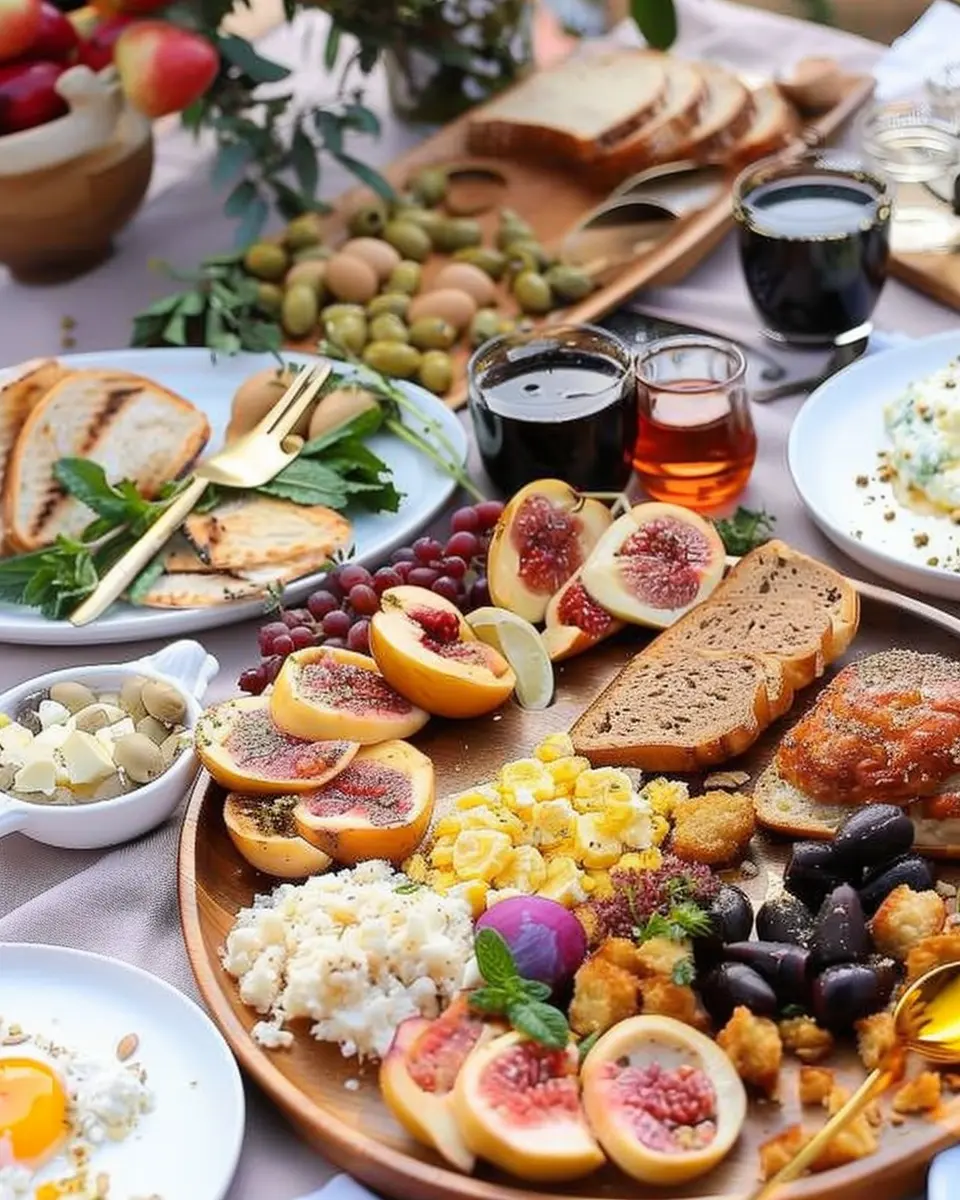
Ingredients for Jerusalem Easter Dinner
Essential Ingredients for the Meal
When preparing a delightful Jerusalem Easter Dinner, the right ingredients set the foundation for a memorable feast. Here’s what you’ll need:
- Roast Chicken: This is the star of the show—juicy, tender, and full of flavor. For a unique twist, consider herb-marinated chicken.
- Turkey Bacon: A delicious alternative, adding a crispy and savory touch to your meal.
- Chicken Ham: For those who enjoy a rich, slightly sweet flavor, this is a must-have.
- Beef Kebabs: Perfectly seasoned and grilled; they bring a hearty element to your dinner table.
- Fresh Vegetables: Think carrots, bell peppers, and zucchini to brighten up your plate.
- Pita Bread: Essential for scooping up those delightful morsels and sauces.
Optional Ingredients for Customization
Sometimes, it’s fun to add a personal touch to your Jerusalem Easter Dinner. Here are a few suggestions:
- Feta Cheese: Crumble some on top for a tangy finish.
- Fresh Herbs: Mint or parsley can really elevate your dish.
- Lemon: A squeeze brings out the flavors and adds brightness.
- Chickpeas: Adding these can enhance the protein content and make your meal more filling.
Whether you stick to the essentials or mix in some options, your Jerusalem Easter Dinner will surely impress your guests! For more tips on ingredient selection, check out this guide on Mediterranean cuisine.
Preparing the Jerusalem Easter Dinner
Planning a Jerusalem Easter Dinner is not just about the food; it’s about creating a warm atmosphere and cherishing moments with loved ones. To help you navigate through this delightful culinary adventure, we’ll break it down into simple, actionable steps. Let’s cook something that resonates with the spirit of Jerusalem and brings everyone together!
Gather the ingredients
The first step in preparing your feast is gathering all the necessary ingredients. Here’s what you’ll need for a perfectly balanced Jerusalem Easter Dinner:
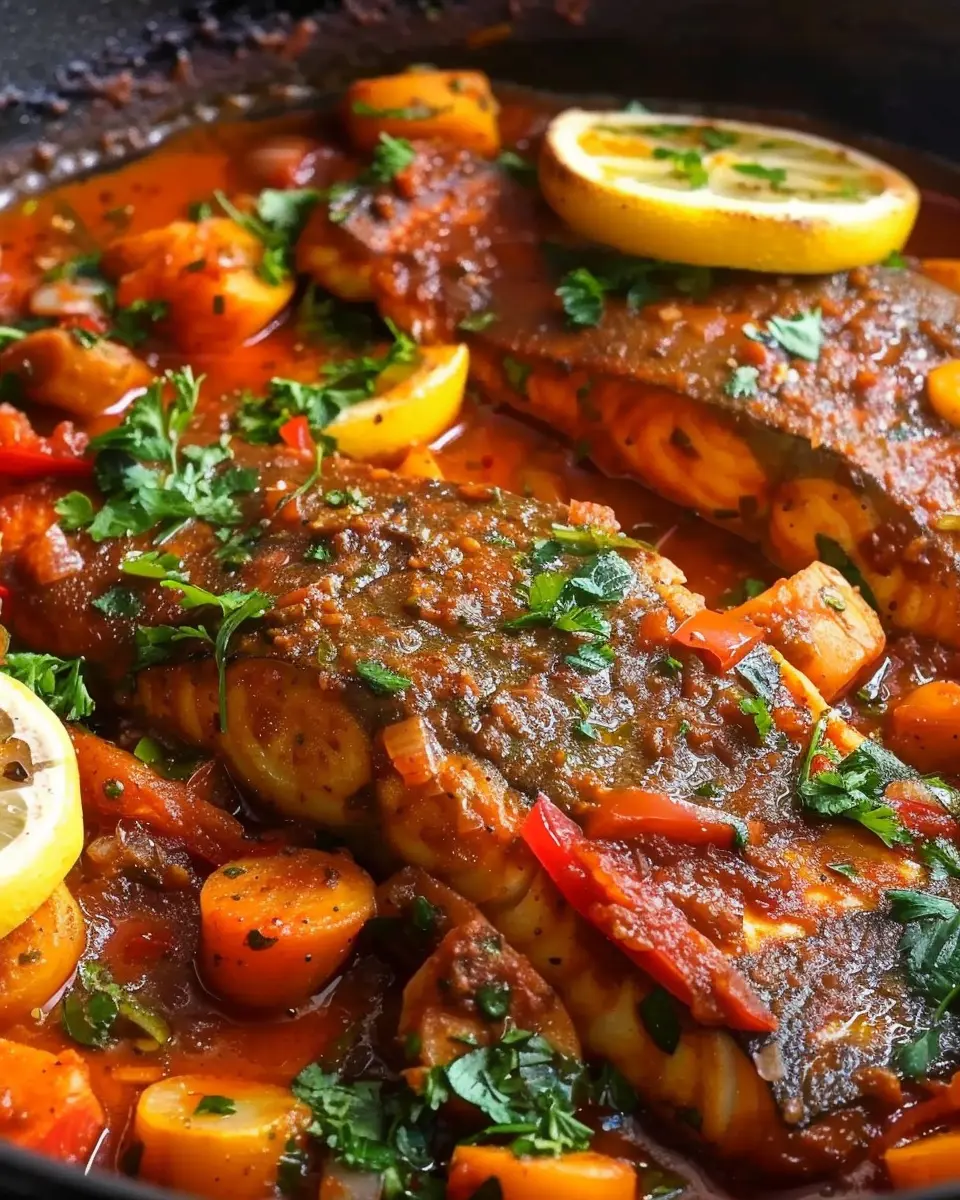
For the Herb Tilapia:
- 4 tilapia fillets
- 2 tablespoons olive oil
- 1 teaspoon garlic powder
- 1 tablespoon fresh dill (or 1 teaspoon dried)
- Salt and pepper to taste
- Fresh lemon slices for serving
For the sides:
- 2 cups quinoa
- 1 cup cherry tomatoes, halved
- 1 cucumber, diced
- 1 red onion, finely chopped
- 1 cup feta cheese, crumbled
- Fresh parsley for garnish
- 1 tablespoon balsamic vinegar
- 1 tablespoon olive oil
- Chicken ham, sliced for a savory touch
- Turkey bacon, diced and crisped up for extra flavor
It’s essential to source high-quality ingredients, especially the fresh herbs and fish. Check out your local farmer’s market for the freshest produce.
Preheat the oven
Before you start cooking, preheat your oven to 375°F (190°C). This step might seem minor, but it’s vital for ensuring that your tilapia cooks evenly and achieves that beautiful golden brown.
Prepare the herb tilapia
While the oven warms up, let’s focus on the star of the show—herb tilapia. Follow these simple steps:
- Rinse the tilapia fillets under cold water and pat them dry with paper towels.
- Combine the olive oil, garlic powder, dill, salt, and pepper in a small bowl. This herby blend will impart a vibrant flavor to the fish.
- Brush the mixture onto both sides of each fillet and place them on a baking sheet lined with parchment paper.
- Top each fillet with a slice of lemon for extra zest before baking.
- Place the baking sheet in the oven and bake for approximately 15-20 minutes, or until the fish is cooked through and flakes easily with a fork.
Assemble the sides
While the tilapia is baking, there’s no better time to work on the sides. This is where your dinner truly comes to life!
- Cook the quinoa according to the package instructions. Typically, it involves rinsing it, adding it to a saucepan with water, bringing it to a boil, then simmering until the water is absorbed.
- In a large mixing bowl, combine the cooked quinoa, cherry tomatoes, cucumber, red onion, and feta cheese.
- Drizzle the balsamic vinegar and olive oil over the salad and toss everything together. It’s that easy! Mixing these fresh ingredients will create a colorful and nutritious side that complements your main dish perfectly.
Serving the meal
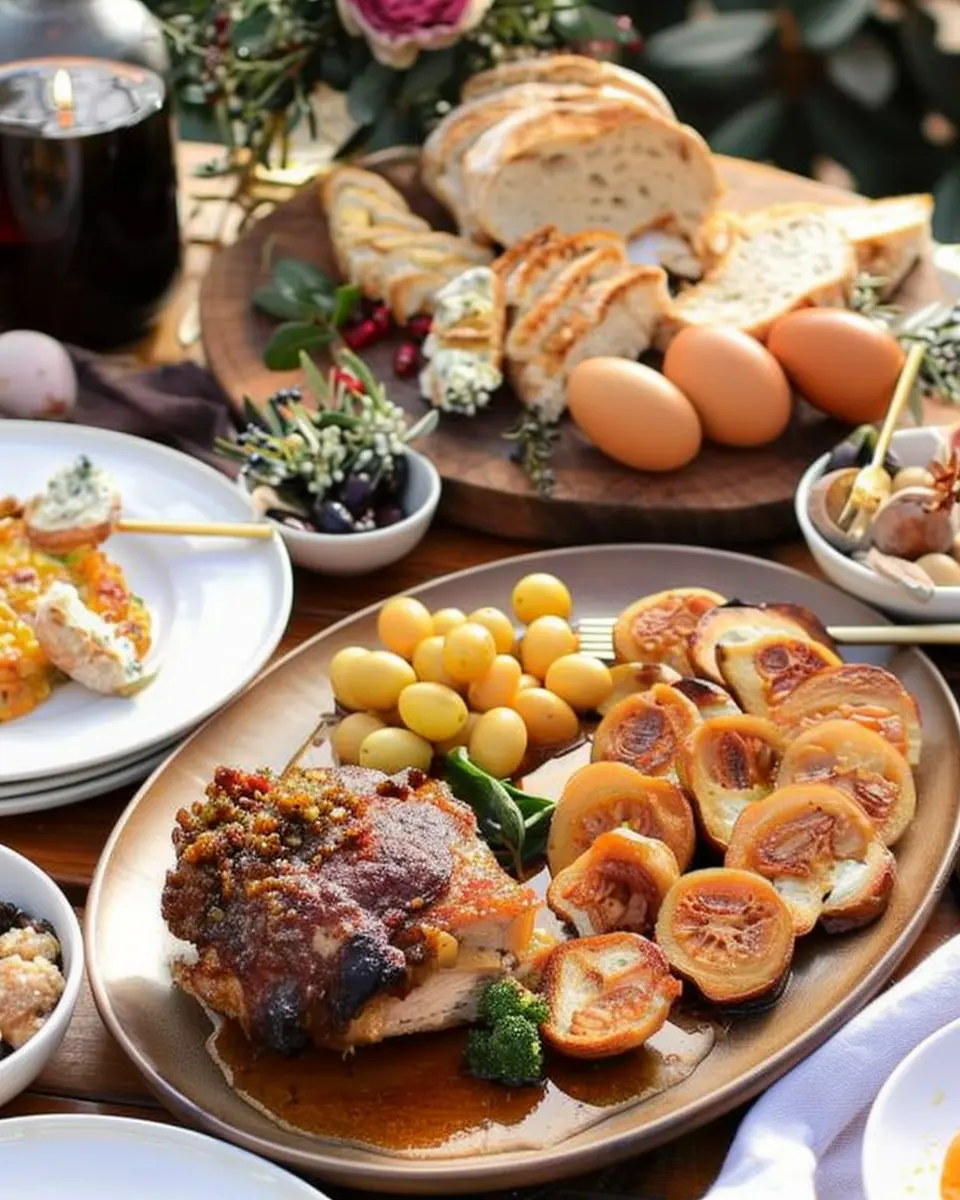
When it’s time to serve, don’t forget the presentation! Arrange the herb tilapia on a large platter, surround it with the vibrant quinoa salad, and add the sliced chicken ham and crispy turkey bacon for that delicious blend of flavors.
Consider setting up your dining table with some floral arrangements and soft lighting to elevate the atmosphere. Remember, the aim is to create a warm and inviting space for everyone to enjoy your Jerusalem Easter Dinner.
As you sit down to share this delicious meal, take a moment to appreciate the flavors, the laughter, and the good company. Happy cooking!
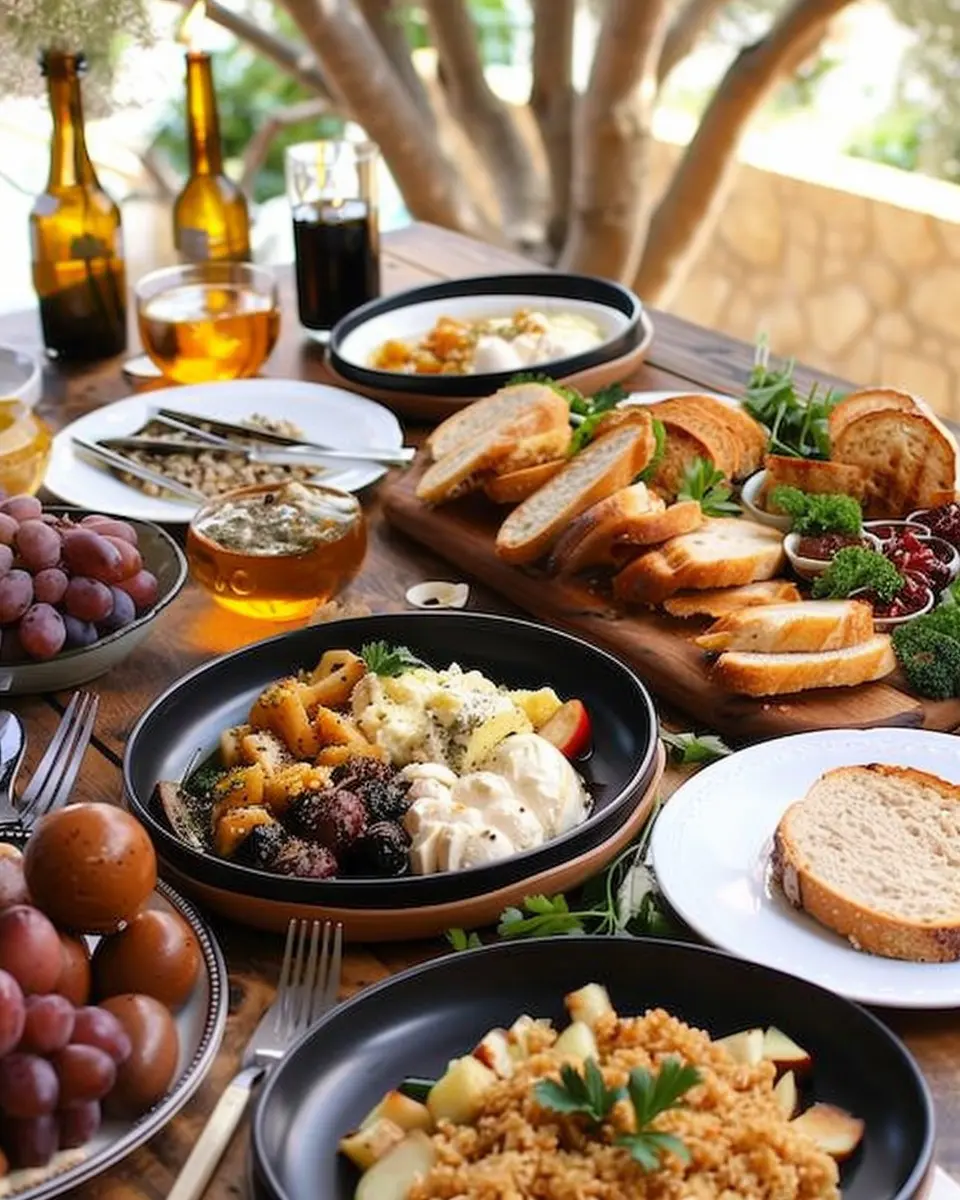
Variations on Jerusalem Easter Dinner
Creating a memorable Jerusalem Easter Dinner can be a delightful experience, particularly if you’re open to exploring variations that maintain the spirit of the celebration while accommodating different tastes and dietary preferences. Let’s dive into some delicious alternatives that keep the essence of this special meal alive.
Alternative proteins for the main dish
If you’re looking to switch things up, consider these protein options:
- Roasted Chicken: Juicy and flavorful, this classic choice can be complemented with garlic and herbs, offering a nod to traditional favorites without sacrificing taste.
- Turkey Bacon: For those who want a smoky flavor without the heaviness, turkey bacon can be a fantastic substitute, add it to salads or as a garnish on your main dish.
- Stuffed Peppers: For a vegetarian twist, vibrant bell peppers stuffed with a mix of quinoa, vegetables, and spices can serve as a filling and festive main event.
Side dishes that can replace traditional choices
Side dishes are where you can really get creative! Here are a few ideas to elevate your Jerusalem Easter Dinner:
- Roasted Vegetables: Swap out heavier sides for a colorful assortment of roasted seasonal vegetables. Think carrots, zucchini, and sweet potatoes for a healthy yet satisfying addition.
- Herbed Couscous: Instead of traditional starches, herbed couscous infused with fresh parsley or dill can add a refreshing touch to your table.
- Chickpea Salad: This protein-packed salad, dressed in lemon and olive oil, offers a hearty yet light complement to your meal.
For more inspiration on alternative proteins and delicious side dishes, check out The Spruce Eats for additional creative ideas! Remember, the key to a fantastic feast is not just in the food, but in the company and the love you share. Enjoy the process of creating a memorable Jerusalem Easter Dinner that reflects your personal touch.
Cooking tips and notes for Jerusalem Easter Dinner
Key cooking techniques
When preparing a delightful Jerusalem Easter Dinner, mastering a few key techniques can elevate your meal. Start by slow-roasting meats to maximize flavor and tenderness. This method not only brings out the natural juices but also allows spices to deeply penetrate. For vegetables, try tossing them with olive oil and fresh herbs before roasting. This simple technique helps lock in moisture while enhancing their natural sweetness.
Tips for best flavors
To achieve the best flavor profiles for your Jerusalem feast, consider these tips:
- Use fresh herbs: Parsley, cilantro, and mint add vibrant notes that balance rich dishes.
- Season generously: Salt enhances flavors, but don’t forget to add a touch of citrus for brightness; lemon or orange zest can work wonders.
- Explore alternatives: Instead of traditional drinks, try making pomegranate juice or a spiced apple cider to complement your meal.
Bringing all these elements together creates a truly memorable dining experience that captures the spirit of the season! For more inspiration, check out this resource on seasoning techniques and fresh herb uses.
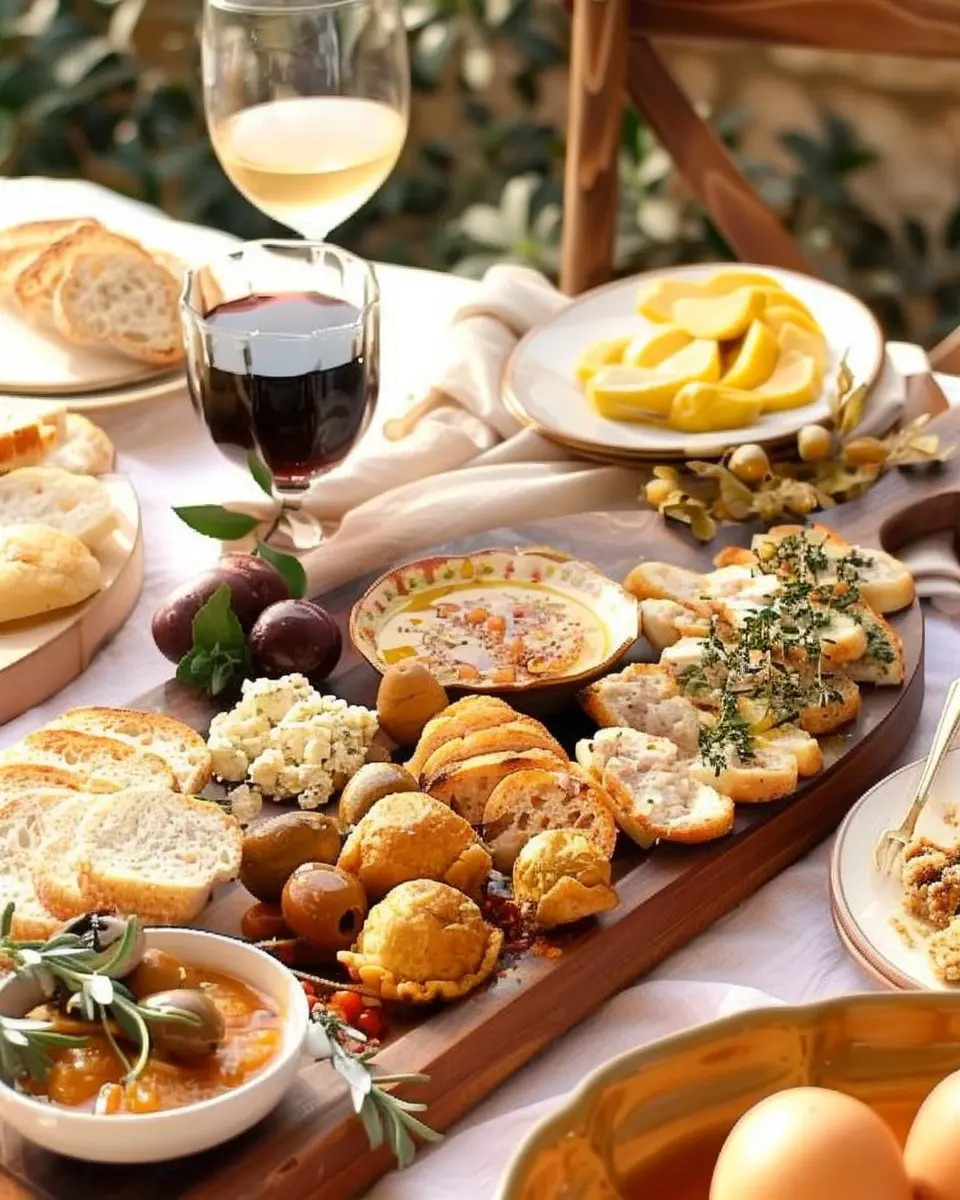
Serving suggestions for Jerusalem Easter Dinner
Plating and presentation ideas
When it comes to serving your Jerusalem Easter Dinner, the beauty is in the details. Arrange your main dish, whether it be a succulent roast or a delightful vegetarian option, at the center of an elegant platter. Surround it with vibrant sides like roasted vegetables or herb-infused grains, creating a colorful and inviting display. Don’t forget to garnish with fresh herbs for that professional touch! For a more personal feel, consider family-style serving; let everyone dig in while sharing stories and laughter.
Pairing with beverages and sides
Complement your Jerusalem Easter Dinner with refreshing non-alcoholic beverages, such as sparkling mint lemonade or pomegranate juice. Both options pair wonderfully with the rich flavors of your meal. For sides, adding a crisp salad with tahini dressing or a warm, herbed bread can enhance your dining experience. As you prepare, think about textures and flavors that balance each other—sweet, savory, and tangy can create a delightful interplay on the palate.
For even more ideas, check out this guide on preparing festive side dishes. Let your dinner be not just a meal, but a memorable gathering!
Time breakdown for Jerusalem Easter Dinner
Planning your Jerusalem Easter Dinner can be a delightful experience when you have a clear timeline! Here’s how to break it down:
Preparation time
The initial prep will take around 30 minutes. This involves gathering all your ingredients, chopping vegetables, and marinating proteins. Consider putting on some music to make this process enjoyable!
Cooking time
Cooking the dishes will require about 2 hours. This includes everything from roasting the chicken ham to simmering the sides. Don’t rush it—allow those flavors to shine!
Total time
In total, you’re looking at approximately 2 hours and 30 minutes from start to finish. This way, you’ll have plenty of time to set the table and get ready to host!
Whether you’re a seasoned cook or a first-timer, following this timeline can help keep your kitchen running smoothly. For more tips, check out Cooking Light or The Kitchn for additional insights on holiday meal preparations. Enjoy your festive gathering!
Nutritional Facts for Jerusalem Easter Dinner
Calories per serving
A balanced serving of the Jerusalem Easter Dinner typically contains around 350-450 calories. This delicious meal features a variety of dishes, ensuring a wholesome dining experience without overloading on calories.
Key nutrients
When preparing your Jerusalem Easter Dinner, you’ll be pleased to know it’s packed with essential nutrients, including:
- Protein: Thanks to the chicken ham and turkey bacon, you get a hearty dose of protein vital for muscle repair and energy.
- Vitamins: Fresh vegetables like greens and tomatoes provide essential vitamins A and C, boosting your immune system and enhancing skin health.
- Healthy Fats: Using olive oil in cooking adds heart-healthy monounsaturated fats, which are beneficial for cardiovascular health.
Not only is this festive dinner delicious, but it also supports your overall wellness. For more on the benefits of healthy eating, check out Healthline. Balancing flavor and nutrition has never been easier!
FAQs about Jerusalem Easter Dinner
What other foods were commonly eaten during biblical times?
When imagining a Jerusalem Easter Dinner, it’s helpful to consider the foods that were staples during biblical times. Bread, particularly unleavened varieties, was a mainstay. Legumes and grains, such as lentils and barley, were also quite common. Vegetables like garlic and onions were favored for their flavor, while fish from the nearby Sea of Galilee made its way into many meals. For a contemporary twist, think about integrating these traditional elements into your feast.
Can I make this dinner ahead of time?
Absolutely! Many components of your Jerusalem Easter Dinner can be prepared in advance. Items like roasted vegetables and salad dressings can be made the day before and stored in the refrigerator. If you’re including dishes like chicken ham or turkey bacon, consider cooking them earlier in the day and warming them up when it’s time to eat. Just be cautious with fresh herbs and garnishes; it’s best to add those right before serving to keep everything vibrant and fresh.
What are some good substitutes for the ingredients listed?
Not everyone will have easy access to every ingredient. Here are some excellent substitutes to consider:
- If you can’t find chicken ham, smoked turkey or even seasoned tofu can stand in nicely.
- Instead of turkey bacon, you might experiment with plant-based bacon or another cured meat of your choice.
- For those avoiding beef, look towards lamb or a hearty chicken option.
Feeling encouraged to experiment? Your Jerusalem Easter Dinner can be both authentic and adaptable! To learn more about cooking traditional recipes, check out the Mediterranean Institute’s culinary resources.
Conclusion on Jerusalem Easter Dinner
Why this dinner is a meaningful addition to your celebrations
Celebrating Easter with a Jerusalem Easter Dinner adds a unique cultural twist to your festivities. This meal encapsulates rich flavors, diverse traditions, and a sense of community. Incorporating dishes like chicken ham and turkey bacon can honor both religious significance and culinary adventure, creating lasting memories around the table.
Encourage new traditions in your home
Why not embrace the opportunity to try new traditions this year? Incorporating a Jerusalem Easter Dinner can be a great way to blend family customs with exciting new flavors. Consider involving friends and family in the cooking process, making it a fun, collaborative experience. By sharing or exploring new recipes, you create a welcoming environment that celebrates togetherness. For more inspiration, check out this resource on cultural Easter foods. Give it a try—your taste buds and loved ones will thank you!
PrintJerusalem Easter Dinner: 5 Easy Recipes for a Flavorful Feast
Discover a vibrant collection of 5 easy recipes perfect for a Jerusalem Easter dinner, bringing a flavorful feast to your table.
- Prep Time: 15 minutes
- Cook Time: 45 minutes
- Total Time: 1 hour
- Yield: 4 servings 1x
- Category: Main Course
- Method: Stovetop
- Cuisine: Middle Eastern
- Diet: Omnivore
Ingredients
- 2 cups rice
- 1 pound lamb
- 4 tablespoons olive oil
- 1 teaspoon salt
- 1 teaspoon black pepper
- 3 cloves garlic
- 1 cup chickpeas
- 1 tablespoon ground cumin
Instructions
- Rinse the rice under cold water until the water runs clear.
- In a large pot, heat olive oil over medium heat and sauté garlic until fragrant.
- Add lamb and cook until browned, then add chickpeas and spices.
- Stir in the rice and add water as needed to cover.
- Bring to a boil, then reduce the heat and simmer until rice is cooked.
Notes
- For extra flavor, add a pinch of saffron.
- Always let the dish rest for a few minutes before serving.
Nutrition
- Serving Size: 1 plate
- Calories: 500
- Sugar: 2g
- Sodium: 300mg
- Fat: 20g
- Saturated Fat: 6g
- Unsaturated Fat: 14g
- Trans Fat: 0g
- Carbohydrates: 60g
- Fiber: 5g
- Protein: 25g
- Cholesterol: 70mg
Keywords: Jerusalem Easter Dinner, easy recipes, flavorful feast